What Are At-Home Teeth Whitening Kits?
At-home teeth whitening kits have exploded in popularity over the past decade, promising brighter smiles without the cost or time commitment of an in-office visit. These products range from over-the-counter whitening strips you can pick up at any pharmacy to professional-grade take-home systems dispensed by dental clinics. The appeal is obvious: convenience, affordability, and the promise of visible results in a matter of days. But with shelves stacked with options and social media feeds flooded with influencer endorsements, figuring out which kits actually deliver on their claims can feel overwhelming. As a registered dental hygienist who performs professional teeth whitening every day, I want to give you an honest, evidence-based review of the most popular at-home whitening kits on the market — what works, what is overhyped, and when you are better off seeing a professional.
Key takeaway: At-home whitening kits can lighten teeth by 1–4 shades with consistent use. Professional in-office whitening like Philips Zoom can achieve up to 8 shades in a single one-hour session.
Whitening Strips: The Most Popular Option
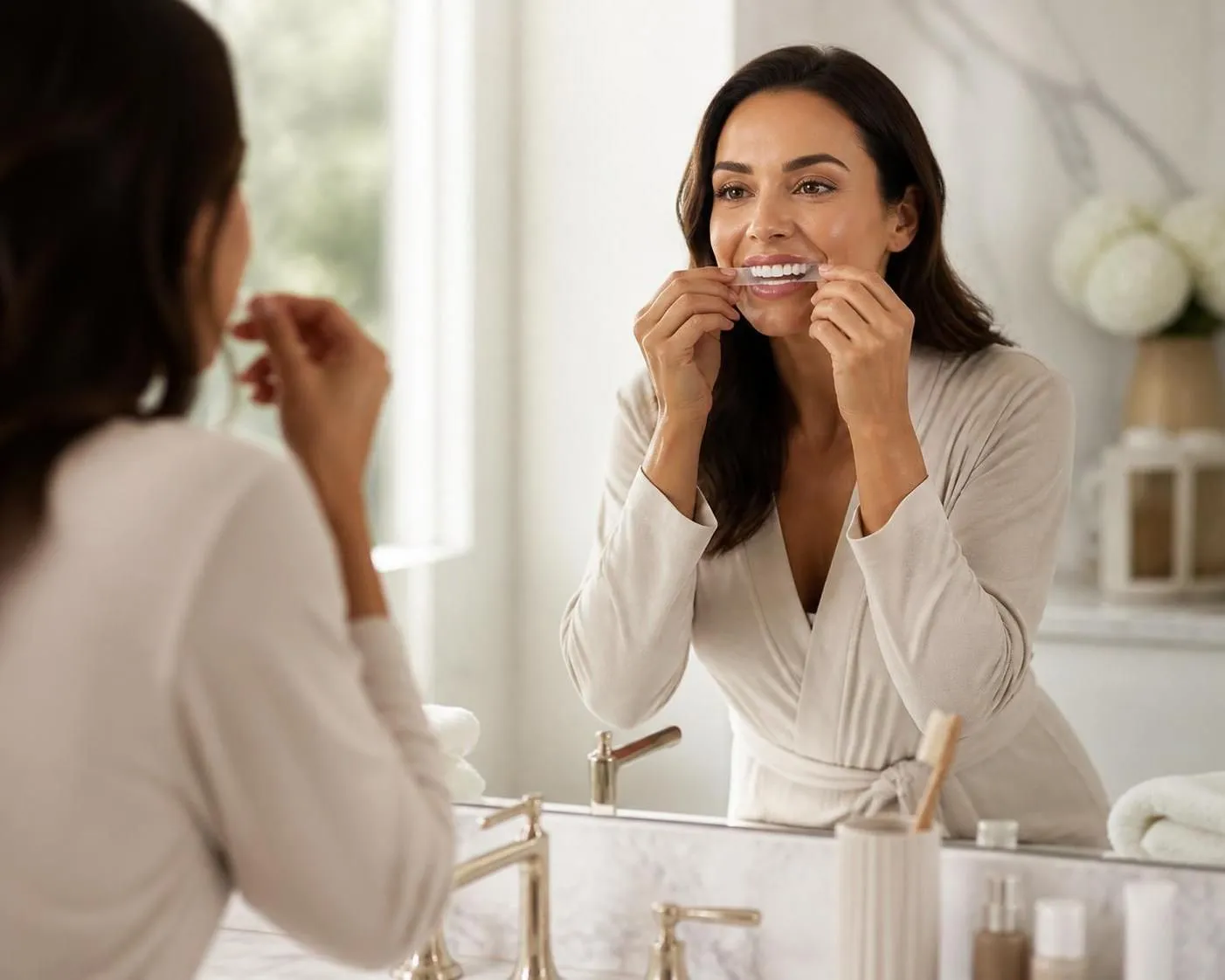
Whitening strips are far and away the most common at-home whitening product. They consist of thin, flexible plastic strips coated with a peroxide-based whitening gel that you apply directly to your teeth for a specified period, usually 30 to 45 minutes per session. The active ingredient in most over-the-counter strips is hydrogen peroxide at concentrations ranging from 5% to 10%, though some products use carbamide peroxide which breaks down into hydrogen peroxide over time. The best whitening strips on the market can produce noticeable results in about a week of daily use, typically lightening teeth by two to three shades. The convenience factor is high — you can wear them while getting ready in the morning, checking emails, or watching television — and the price point is generally accessible, ranging from about $25 to $60 per box for a full treatment course. However, strips have real limitations. They only cover the front six to eight teeth, so if staining extends to your premolars or molars, those teeth will remain unchanged. The peroxide concentration is significantly lower than what a dental professional uses, which means results come more slowly and are less dramatic. Some users experience gum irritation or tooth sensitivity, particularly if the strips overlap onto the gingival tissue. And perhaps most importantly, results vary widely depending on the type and severity of your staining — strips work best on surface stains from coffee, tea, and wine, but they are far less effective on intrinsic stains that originate inside the tooth structure.
Whitening Pens: Convenience at a Cost
Whitening pens are marketed as the ultimate on-the-go whitening solution. These small, portable applicators contain a peroxide-based gel that you brush directly onto each tooth. The concept is appealing in its simplicity — no strips to position, no trays to mould, no waiting period with something stuck to your teeth. You simply paint the gel on and go about your day. But the reality is more complicated. The primary challenge with whitening pens is retention. Unlike strips or trays, which hold the whitening agent against the tooth surface for an extended period, the gel from a pen begins to wash away the moment you close your mouth. Saliva dilutes the peroxide concentration within minutes, drastically reducing its effectiveness. Most dental professionals consider pens more useful as a maintenance tool for touch-ups after a professional whitening session rather than a primary whitening method. They can be handy for spot-treating a particularly stained tooth, but expecting a pen alone to transform your smile is unrealistic. Additionally, the peroxide concentration in pens tends to be lower than in strips, and the uneven application means some teeth receive more gel than others, leading to inconsistent results. If you do choose a whitening pen, look for one with a higher peroxide concentration and a formula designed to adhere to enamel longer — and use it as a supplement, not a substitute, for a more robust whitening method.
LED Whitening Kits: Gimmick or Game-Changer?
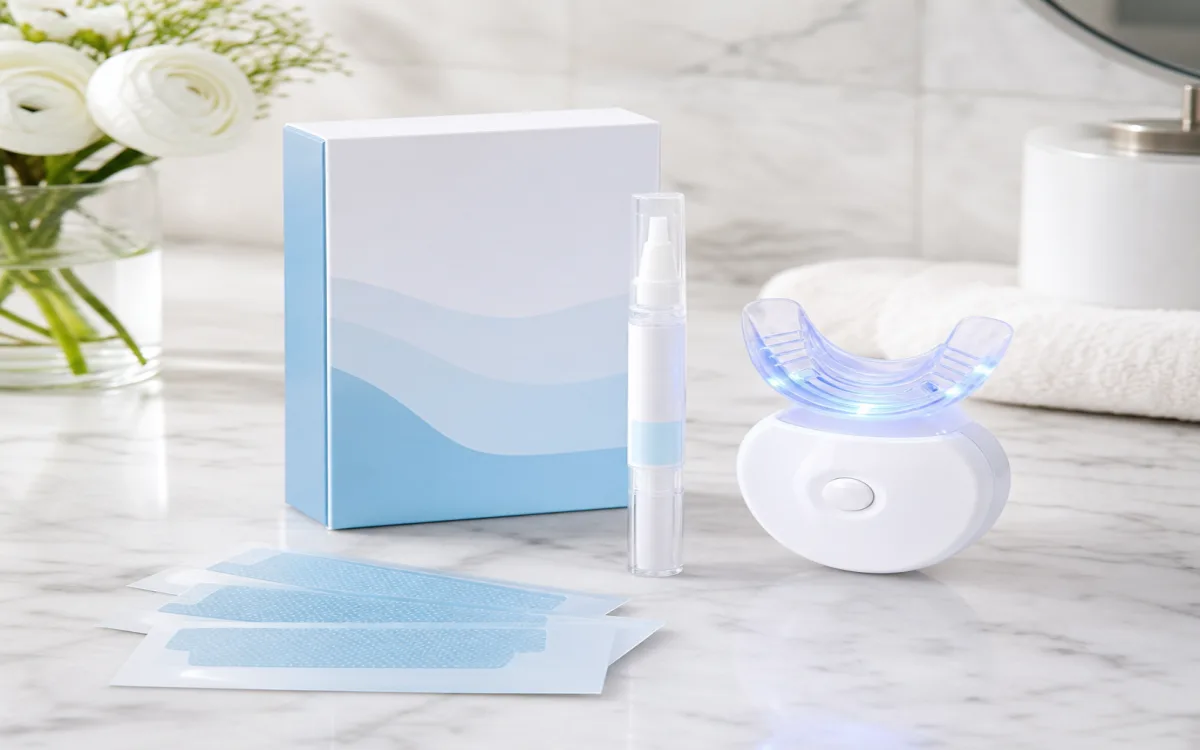
LED whitening kits have become the flashy newcomer in the at-home whitening space. These systems pair a peroxide-based gel — usually applied via a mouth tray — with a handheld LED light that you shine on your teeth during the whitening session. The marketing claims are bold: the light "accelerates" the whitening process, "activates" the gel, and delivers professional-level results at home. But does the science back this up? The honest answer is: not really, at least not for at-home kits. In a professional setting, lights like the Philips Zoom LED lamp are calibrated to work specifically with a high-concentration peroxide gel under controlled conditions, and they do measurably enhance results. At-home LED devices, however, typically use far lower-intensity lights and are paired with weaker gels. Research published in the Journal of the American Dental Association has shown that the additional benefit of at-home LED lights is minimal at best — the gel does most of the work regardless of whether the light is on. That said, these kits are not necessarily a bad purchase. The gel component itself will still whiten your teeth to some degree, and the structured routine of applying the gel and using the light for a set period can improve compliance. Just do not expect the LED to be the magic ingredient the advertisements make it out to be. If you want real light-accelerated whitening, you need an in-office treatment with a professionally calibrated system like Philips Zoom.
Whitening Toothpaste: Daily Maintenance, Not a Quick Fix
Whitening toothpaste occupies an interesting middle ground in the teeth whitening landscape. Unlike strips, pens, or LED kits that deliver peroxide directly to your teeth for a concentrated period, whitening toothpaste relies on mild abrasives and low concentrations of peroxide to gradually remove surface stains over weeks and months of regular brushing. Brands like Marvis toothpaste have gained a cult following for their aesthetic packaging and whitening claims, but the dental reality is that no whitening toothpaste — no matter how premium the branding — can match the results of a dedicated whitening treatment. The peroxide concentration in toothpaste is limited by safety regulations to very low levels, typically 1% or less, because the product is used daily and comes into contact with soft tissues regularly. The abrasive component helps polish away extrinsic stains from coffee, tea, and tobacco, which can make teeth appear slightly brighter over time, but it cannot alter the intrinsic colour of your enamel. Where whitening toothpaste truly shines is in maintenance. After you have achieved your desired level of whiteness through professional treatment or at-home kits, a good whitening toothpaste can help preserve those results by preventing new surface stains from setting in. Think of it this way: whitening toothpaste is like a daily shower for your teeth — it keeps things clean, but it is not going to remove a stubborn stain that has been building up for years.
PDoo Teeth Whitening Strips: What You Need to Know
PDoo teeth whitening strips have been gaining traction online, particularly on social media and e-commerce platforms, as an affordable alternative to name-brand whitening strips. Marketed as a gentle yet effective option for sensitive teeth, PDoo strips typically use a lower concentration of hydrogen peroxide — often around 3% to 5% — and advertise enamel-safe, non-slip formulations. The lower peroxide concentration does make them a more comfortable choice for people who have experienced sensitivity with stronger strips, and the price is usually competitive, often coming in below the cost of Crest Whitestrips or similar established brands. However, there are caveats to consider. PDoo is not a brand that is widely carried in Canadian pharmacies, which means most consumers are purchasing it through online marketplaces where quality control and product authentication can be questionable. The lower peroxide concentration that reduces sensitivity also means slower, less dramatic results — you may see a half-shade to one-shade improvement after a full course of treatment. The adhesive quality of PDoo strips has received mixed reviews, with some users reporting that the strips do not stay firmly in place throughout the recommended wear time, which reduces the contact time between the whitening gel and your enamel. If you have sensitive teeth and want to try a milder strip, PDoo may be worth considering — but purchase from a reputable source, manage your expectations about results, and always check that the product has appropriate safety certifications for sale in Canada.
Philips Zoom Whitening Pen: Professional-Grade Touch-Up
The Philips Zoom Whitening Pen occupies a different category than the generic whitening pens you find at the drugstore. It is a professional-grade product formulated with the same technology behind the Philips Zoom in-office whitening system, designed specifically for touch-ups and maintenance after a professional Zoom treatment. The pen delivers a 5.25% hydrogen peroxide formula in a precision applicator that allows you to target specific teeth or areas. What sets it apart from over-the-counter pens is the quality and consistency of the formulation — Philips is a name trusted in dental offices across Canada, and the Zoom pen reflects that professional pedigree. It is not intended as a standalone primary whitening solution; rather, it is meant to extend the life of your professional whitening investment. Patients who have had an in-office Zoom session at Krystal Dental Hygiene often ask about the Zoom pen for keeping their smile bright between touch-up appointments. The pen is most effective when used as directed: apply a thin layer to the front surfaces of your teeth, avoid eating or drinking for 30 minutes after application, and use it once or twice daily for up to two weeks when you notice your whitening starting to fade. The results are subtle but visible, typically refreshing your smile by half a shade to one shade. If you are looking for a maintenance tool after professional whitening, the Philips Zoom Whitening Pen is one of the best options on the market. If you need more significant whitening, book a whitening touch-up session for faster, more dramatic results.
At-Home vs Professional Whitening: The Real Difference
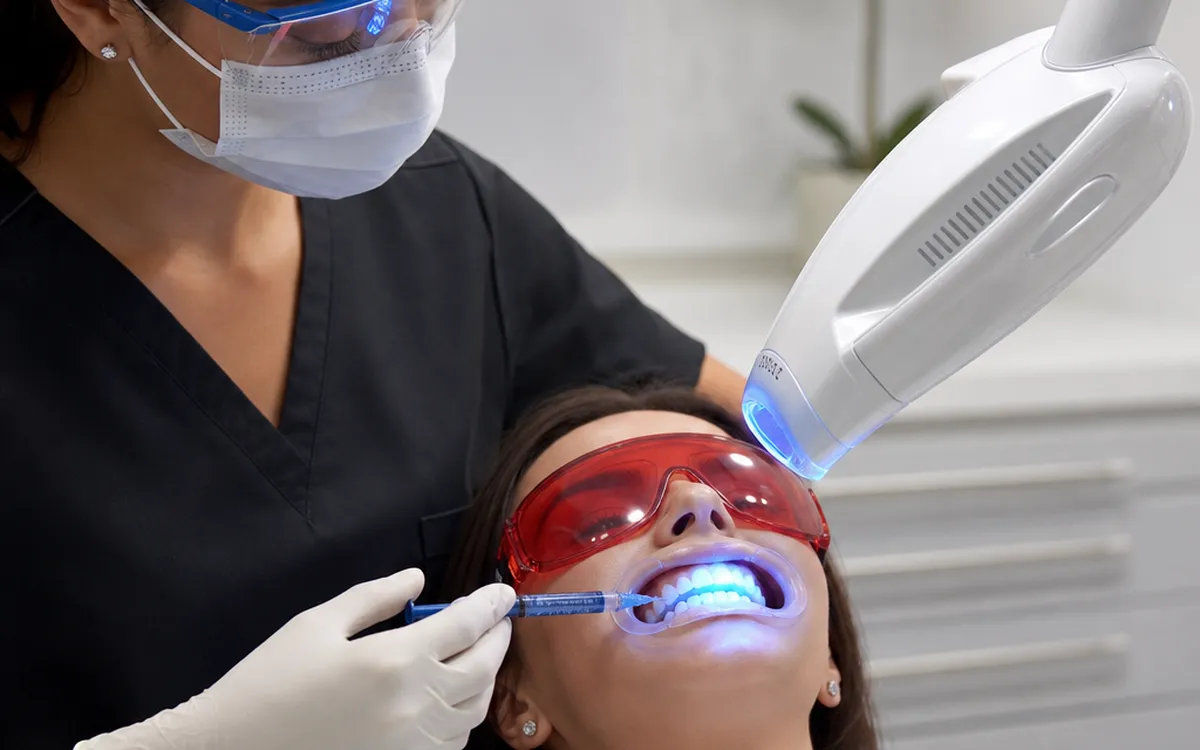
Understanding the real difference between at-home and professional whitening is essential for making an informed decision. At-home kits, regardless of type, operate within regulatory limits that cap peroxide concentrations at relatively low levels — typically 5% to 10% hydrogen peroxide for over-the-counter products in Canada. Professional in-office whitening, by contrast, uses concentrations of 15% to 25% hydrogen peroxide, sometimes higher, in formulations that are carefully buffered to minimise sensitivity while maximising whitening power. This concentration difference is the single most important factor in the results gap. Professional treatments like Philips Zoom can lighten teeth by up to 8 shades in a single one-hour session, while even the best at-home kits typically max out at 2 to 4 shades over the course of a full treatment cycle spanning one to two weeks. But concentration is not the only factor. Professional whitening also includes protective measures — barrier gels or rubber dams to shield your gums, calibrated LED or UV lights that are actually powerful enough to accelerate the chemical reaction, and the trained eye of a dental professional who can assess your staining type, adjust the treatment protocol, and intervene if sensitivity becomes problematic. At-home kits offer none of these safeguards. You are essentially performing a dental procedure on yourself without clinical supervision, which is why following the instructions precisely and discontinuing use if you experience pain or significant sensitivity is so important.
Important: If you have existing dental work — crowns, veneers, or fillings — be aware that at-home whitening kits will not change the colour of these restorations. Only natural enamel responds to peroxide whitening. A dental professional can help you plan a whitening strategy that accounts for existing dental work.
Safety Tips for At-Home Whitening
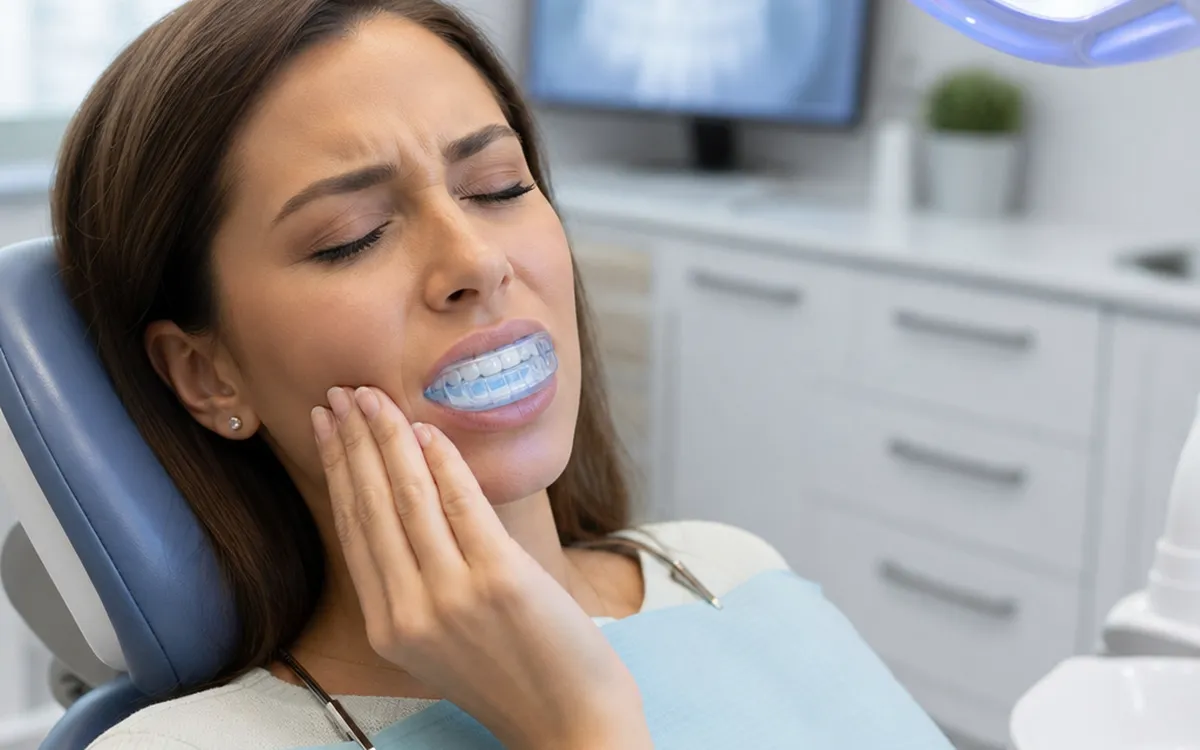
Safety should always be your top priority when using any at-home whitening product. Here are the guidelines I give every patient who asks about over-the-counter kits. First, always read and follow the manufacturer's instructions precisely — do not leave strips on longer than recommended, do not apply more gel than directed, and do not use the product more frequently than the label suggests. More is not better when it comes to peroxide; exceeding recommended usage increases the risk of enamel damage, gum burns, and prolonged sensitivity. Second, check for the Health Canada certification or DIN (Drug Identification Number) on any whitening product you purchase. Products sold without proper regulatory approval may contain unlisted ingredients or peroxide concentrations that exceed safe limits. Third, if you have a history of sensitive teeth, receding gums, or untreated cavities, consult a dental professional before starting any at-home whitening regimen. Whitening agents can penetrate through decayed enamel and reach the nerve, causing severe pain. Fourth, discontinue use immediately if you experience sharp pain, significant gum irritation, or white spots on your teeth that do not fade within a few hours — these can be signs of chemical burns or enamel demineralisation. Finally, keep all whitening products out of reach of children and never use whitening kits on anyone under the age of 12, as developing enamel is more susceptible to damage from peroxide.
Why Choose Krystal Dental Hygiene for Teeth Whitening
If you want results that go beyond what any at-home kit can deliver, professional whitening at Krystal Dental Hygiene is the answer. Our Philips Zoom whitening treatment uses a clinically proven 25% hydrogen peroxide formula activated by a calibrated LED light, delivering up to 8 shades of improvement in a single one-hour session. Every treatment is performed by me, Krystyna Korolchuk, a CDHO-registered independent dental hygienist with specialised training in Zoom whitening protocols. Before your session, I conduct a thorough assessment of your teeth and gums to confirm you are a suitable candidate, identify any areas of concern, and set realistic expectations for your results. During the treatment, I apply a protective barrier to your gums, carefully administer the Zoom gel in controlled increments, and monitor your comfort throughout the process. If sensitivity occurs, I can adjust the protocol in real time — something no at-home kit can do. After your session, I provide personalised aftercare instructions and a complimentary touch-up pen to help maintain your results. Our clinic in Fort York, Downtown Toronto, is easily accessible from CityPlace, King West, and Liberty Village, and we offer flexible scheduling including evening and Saturday appointments. Whether you are preparing for a special occasion or simply want to invest in your smile, professional teeth whitening at Krystal Dental is safe, effective, and designed to deliver the dramatic, long-lasting results that at-home kits simply cannot match.
Book Your Philips Zoom Whitening
Up to 8 shades whiter in one hour. Professional-grade results with enamel protection built in.