Why Does Whitening Cause Sensitivity?
Teeth whitening works by using peroxide-based gels — either hydrogen peroxide or carbamide peroxide — that penetrate the enamel and break down the molecular bonds that cause discolouration. This process is highly effective, but it also makes the enamel temporarily more porous, exposing the microscopic channels (dentinal tubules) that lead directly to the tooth nerve.
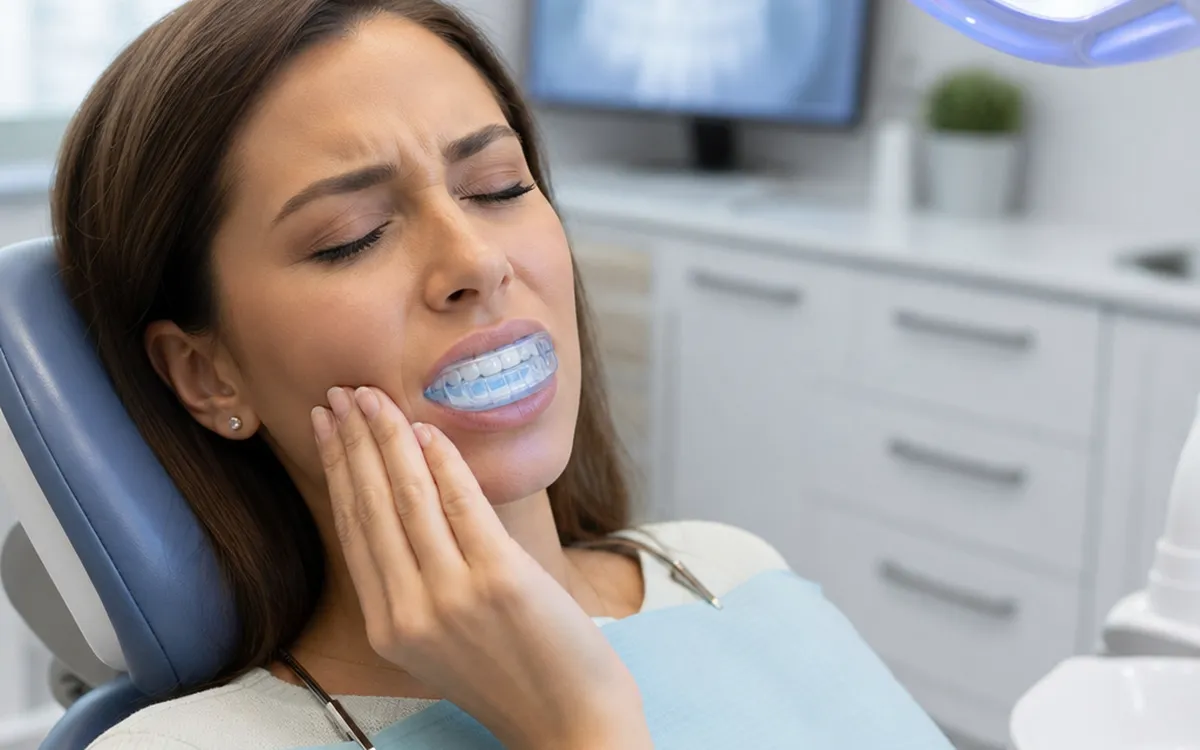
When these tubules are open, external stimuli such as hot, cold, sweet, or acidic foods can trigger a brief, sharp sensation — what we call sensitivity. Think of it like this: the peroxide does its job of opening pathways to dissolve stains, but those same pathways also let temperature changes reach the nerve more easily until they seal back up.
According to Philips Sonicare research, this sensitivity is temporary and typically resolves within one to three days after treatment. It is a normal physiological response, not a sign of enamel damage. The enamel itself is not weakened or eroded during professional whitening — the structural integrity of the tooth remains fully intact.
Is Teeth Whitening Safe If You Have Sensitive Teeth?
Yes — with an important caveat: professional supervision is essential. If you already experience tooth sensitivity in daily life (such as discomfort when eating ice cream or drinking hot coffee), whitening can temporarily increase that sensitivity. However, a trained dental hygienist can take specific steps to protect your comfort:
- Assessing the cause of your existing sensitivity — whether it stems from gum recession, thin enamel, grinding, or acidic diet — and addressing those factors before whitening.
- Selecting the appropriate peroxide concentration — a lower concentration may be recommended for patients with a history of sensitivity, and take-home kits with gradual application are often gentler than in-office treatments.
- Applying protective barriers — professional gum protection and fluoride treatments before and after whitening help shield exposed dentine and reduce the nerve response.
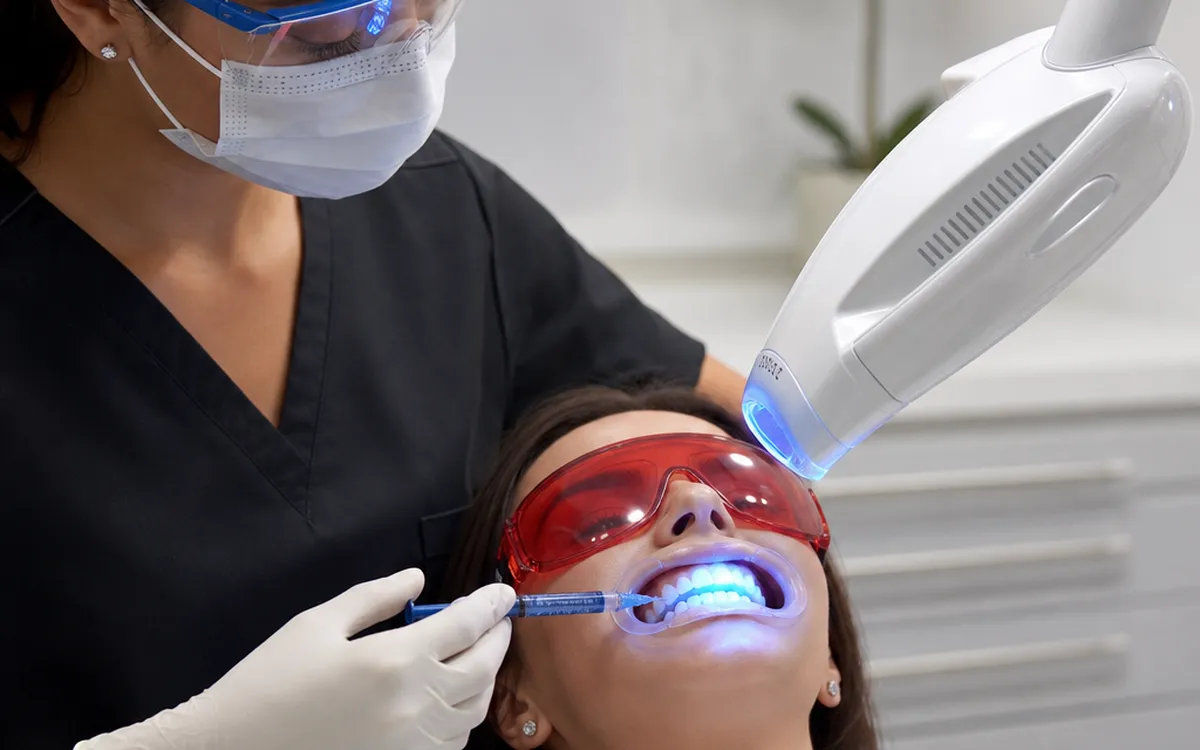
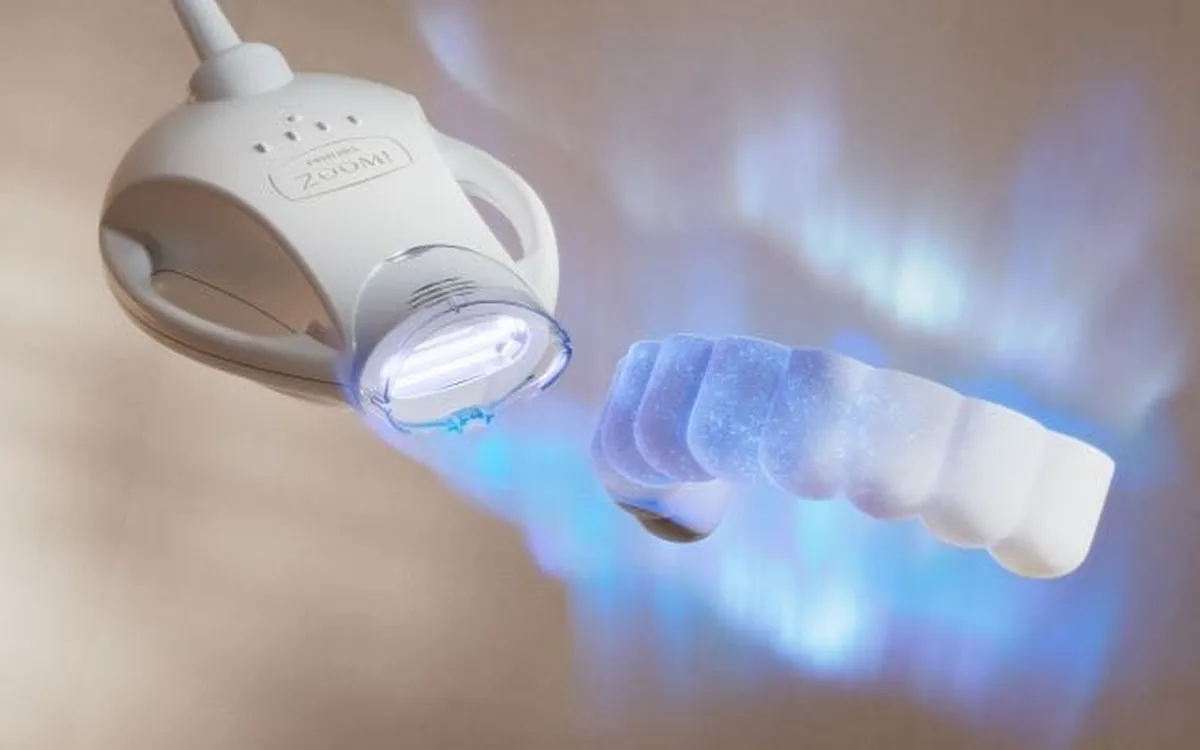
- Using ACP (Amorphous Calcium Phosphate) technology — Philips Zoom is the only whitening system that includes ACP gel, which actively seals dentinal tubules and protects enamel during the whitening process.
A professional GBT cleaning before whitening is also recommended, because removing biofilm and tartar first allows the whitening gel to penetrate evenly and reduces the risk of uneven results that could worsen sensitivity in isolated areas.
Philips Zoom and Sensitivity: What the Research Says
Philips Zoom is the most widely researched professional whitening system in the world, and its design specifically addresses sensitivity concerns. Here is what the clinical evidence shows:
- ACP gel protects enamel and reduces sensitivity. Zoom is the only whitening formula that contains Relief ACP (Amorphous Calcium Phosphate). ACP fills in the microscopic pores created by the whitening process, sealing dentinal tubules and reducing the pathways for stimuli to reach the nerve. Clinical studies confirm that ACP gives teeth greater lustre and actively protects enamel during and after whitening.
- Sensitivity is brief and predictable. In clinical trials, any post-treatment sensitivity resolved within 1–3 days. The vast majority of patients rated their discomfort as mild and manageable.
- No adverse effect on enamel or existing restorations. Extensive research confirms that Zoom whitening does not rub away, soften, damage, or weaken enamel. It also has no adverse effect on fillings, crowns, or other restorations.
- LED technology is gentler than older UV systems. Zoom uses a cool LED light to accelerate the whitening reaction, avoiding the heat and potential tissue irritation associated with older UV-based systems. For a detailed comparison, see our article on LED vs UV teeth whitening.
For patients who want professional results but are particularly concerned about sensitivity, the Zoom take-home kit with custom-fitted trays offers a gentler, more gradual whitening experience that you control at your own pace.
How to Minimise Sensitivity During and After Whitening
Whether you choose in-office or take-home whitening, these strategies can help keep sensitivity to a minimum:
Before Whitening
- Switch to a desensitising toothpaste for 1–2 weeks before your appointment. Products containing potassium nitrate or stannous fluoride help block dentinal tubules and reduce nerve responses.
- Get a professional cleaning first. A thorough GBT cleaning removes biofilm and tartar, allowing the whitening gel to work more evenly and effectively with less overall exposure time.
- Avoid acidic foods and drinks for 48 hours before treatment — acid softens enamel temporarily and can increase susceptibility to sensitivity.
During Whitening
- Communicate with your hygienist. If you feel significant discomfort during any whitening cycle, tell your provider immediately. They can shorten the cycle, apply additional fluoride, or adjust the treatment plan.
- Choose ACP-enhanced whitening. Philips Zoom's built-in ACP gel is specifically formulated to reduce sensitivity during the procedure itself.
After Whitening
- Follow the 48-hour "white diet" rule. Avoid coffee, tea, red wine, dark berries, and any strongly pigmented foods. This also means avoiding extremes of temperature — skip the ice water and piping-hot soup for a couple of days. Learn more in our whitening aftercare guide.
- Use fluoride rinse or gel as recommended by your hygienist to help re-seal dentinal tubules and strengthen enamel.
- Continue desensitising toothpaste for a week after treatment if you experience any lingering sensitivity.
- Do not brush immediately after consuming acidic foods — wait at least 30 minutes to allow enamel to re-harden before brushing.
Professional Solutions for Whitening with Sensitivity
If you have been avoiding whitening because of sensitive teeth, professional care opens options that over-the-counter products simply cannot offer:
- Custom take-home trays with professional-grade gel — custom-fitted to your teeth, these trays ensure even gel distribution with minimal overflow onto sensitive gum tissue. The Zoom NiteWhite kit works overnight at a lower concentration, offering gradual, comfortable whitening.
- Fluoride varnish treatment before and after whitening — applied by your hygienist, fluoride varnish at professional concentration strengthens enamel and seals exposed dentine, creating a protective barrier that reduces sensitivity triggers.
- GBT cleaning as a standalone brightness boost — if even low-concentration whitening is not right for you, Guided Biofilm Therapy removes surface stains, biofilm, and tartar that dull your smile — without any peroxide at all. Many patients are surprised at how much brighter their teeth look after a thorough GBT cleaning alone.
- Desensitising agents applied professionally — products containing potassium nitrate or calcium phosphate can be applied chairside to block dentinal tubules before whitening begins, creating a buffer between the peroxide and the nerve.
The key takeaway: sensitive teeth do not mean you have to give up on a whiter smile. It means choosing the right method and the right provider — one who listens to your concerns and personalises the approach. For more on what whitening can and cannot do, visit our teeth whitening myths article.
Ready for a Brighter Smile? We've Got You Covered
At Krystal Dental Hygiene, every whitening appointment starts with a conversation about your comfort. As an independent dental hygienist in Toronto, I take the time to assess your sensitivity level, discuss your goals, and recommend the whitening approach that will give you the best results with the least discomfort.
Whether that means Philips Zoom in-office whitening with ACP protection, a gentle take-home kit, or a brightness-boosting GBT cleaning as a peroxide-free alternative — the choice is yours, and the care is always personal.
This article was written by Krystyna Korolchuk, a registered dental hygienist and independent practice owner licensed under the Dental Hygienists Act, 1991 and regulated by the College of Dental Hygienists of Ontario (CDHO).
Ready to Whiten Without the Worry?
Book a whitening consultation at Krystal Dental Hygiene. We will assess your sensitivity, recommend the best approach, and make sure your comfort comes first.