When your dentist or hygienist recommends a dental deep cleaning, it is natural to wonder how it differs from the regular cleaning you receive every six months. Both procedures are essential for oral health, but they serve different purposes, involve different techniques, and address different stages of gum disease. Understanding the distinction between dental deep cleaning and regular cleaning helps you make informed decisions about your treatment and protects your long-term oral health.
Regular dental cleaning services are preventive — they remove plaque and tartar from the surfaces of your teeth and along the gumline to prevent gum disease and cavities. A dental deep cleaning, also known as scaling and root planing, is a therapeutic procedure designed to treat existing gum disease by removing bacteria, tartar, and infected tissue from below the gumline and smoothing the root surfaces so gums can reattach. The two procedures are not interchangeable, and choosing the right one at the right time can mean the difference between keeping your natural teeth and facing tooth loss.
What Is a Regular Dental Cleaning?
A regular dental cleaning, sometimes called a prophylaxis, is the standard preventive procedure performed by a dental hygienist every six months. Its purpose is straightforward: remove the plaque and calculus (hardened tartar) that accumulate on the visible surfaces of your teeth and just above the gumline, polish away surface stains, and apply fluoride to strengthen enamel. The procedure is designed for mouths that are generally healthy — no active gum disease, no deep periodontal pockets, and no significant bone loss around the teeth.
During a regular cleaning, the hygienist uses hand instruments called scalers and curettes, along with an ultrasonic scaler that uses gentle vibrations and water to break apart tartar deposits. The process is comfortable for most patients and typically takes thirty to forty-five minutes. The hygienist works along the gumline and between the teeth, removing deposits that brushing and flossing alone cannot eliminate. After the tartar is removed, your teeth are polished with a professional-grade paste that smooths the enamel surface, making it harder for new plaque to adhere.
Regular cleanings are the foundation of preventive dental care. They prevent the buildup of bacteria-laden tartar that causes gingivitis — the earliest, reversible stage of gum disease — and they give your hygienist the opportunity to detect early signs of cavities, oral cancer, and other conditions that may not yet be causing symptoms. When combined with consistent home care, regular dental cleaning services keep your gums pink and firm, your breath fresh, and your teeth stable.
What Is a Dental Deep Cleaning?
A dental deep cleaning — clinically called scaling and root planing — is a therapeutic procedure that goes well beyond what a regular cleaning addresses. It is prescribed when a patient has been diagnosed with periodontitis, a bacterial infection of the gums that has progressed beyond gingivitis. In periodontitis, the gums pull away from the teeth, forming deep pockets where bacteria, tartar, and infected tissue accumulate on the root surfaces below the gumline. A regular cleaning cannot reach these deposits, and without treatment, the infection destroys the bone and ligaments that hold your teeth in place, eventually leading to tooth mobility and tooth loss.
Scaling is the first phase of a deep cleaning. The hygienist uses specialized instruments — including ultrasonic scalers and hand curettes — to remove tartar, bacterial toxins, and infected tissue from the root surfaces deep within the periodontal pockets. This process extends well below the gumline, often three to five millimetres or more, depending on the depth of the pockets. Local anaesthetic is typically administered to ensure patient comfort, because the instruments are working on sensitive root surfaces that are normally protected by gum tissue.
Root planing is the second phase. After the tartar and bacteria are removed, the hygienist carefully smooths the root surfaces. Rough, calculus-coated root surfaces trap bacteria and prevent the gums from reattaching. By planing the roots to a glassy smoothness, the hygienist eliminates the microscopic crevices where bacteria colonize and creates a clean surface that allows the gum tissue to heal and tighten back around the tooth. This reattachment reduces pocket depth, which is the critical measurement that determines whether gum disease is controlled or progressing.
A deep cleaning is typically performed in quadrants — one quarter of the mouth at a time — over two to four appointments. This approach allows the hygienist to focus thoroughly on each area, ensures adequate anaesthesia, and makes the procedure manageable for the patient. After each quadrant, the hygienist may place a localized antibiotic directly into the cleaned pockets to further reduce bacterial load and promote healing.
Key Differences at a Glance
While both procedures involve cleaning your teeth, the scope, purpose, and technique of a regular cleaning versus a deep cleaning are fundamentally different. Here is a clear comparison of the two:
Purpose. A regular cleaning prevents disease by removing surface tartar and plaque. A deep cleaning treats active periodontal disease by eliminating bacteria and tartar from below the gumline and smoothing root surfaces.
Depth of cleaning. Regular cleaning addresses the crown of the tooth (the visible part) and the area just above the gumline, typically zero to two millimetres below the gum. Deep cleaning extends three to seven millimetres or more below the gumline into periodontal pockets.
Anaesthesia. Regular cleaning does not require numbing. Deep cleaning almost always involves local anaesthetic because the instruments work on sensitive root surfaces below the gums.
Number of visits. A regular cleaning is completed in a single appointment. A deep cleaning is typically performed in two to four appointments, treating one or two quadrants per visit.
Healing time. After a regular cleaning, there is no recovery period — your gums may feel slightly tender for a few hours but that is all. After a deep cleaning, you can expect gum tenderness, mild swelling, and sensitivity to temperature for several days to a week as the tissue heals and reattaches.
Cost. Regular cleanings are relatively inexpensive and are typically covered at full or near-full rate by dental insurance. Deep cleanings cost significantly more because of the additional time, instruments, anaesthesia, and expertise required, and insurance coverage varies depending on the plan.
Frequency. Regular cleanings are recommended every six months for most patients. After a deep cleaning, your hygienist will typically recommend periodontal maintenance cleanings every three to four months to prevent recurrence, since patients who have had gum disease are at higher risk for reinfection.
How Long Do Teeth Cleanings Take?
One of the most common questions patients ask when scheduling a dental appointment is how long the cleaning will take. The answer depends on the type of cleaning, the condition of your mouth, and whether any additional procedures are planned.
Regular dental cleaning. A standard prophylaxis appointment typically takes thirty to forty-five minutes for the cleaning itself, though you should plan for about an hour to include examination, polishing, and fluoride application. If it has been more than a year since your last cleaning, the appointment may run longer because more tartar has had time to accumulate. Patients who maintain excellent home care and attend regularly scheduled cleanings tend to be on the shorter end of that range.
Dental deep cleaning. A scaling and root planing appointment for a single quadrant typically takes forty-five to sixty minutes. Since the procedure is usually divided into two to four visits, the total treatment time ranges from one and a half to four hours across all appointments. The initial deep cleaning visits are longer than subsequent periodontal maintenance visits, which typically take about forty-five minutes each.
Periodontal maintenance. After a deep cleaning, patients transition to periodontal maintenance cleanings every three to four months. These appointments take approximately forty-five to sixty minutes because the hygienist must carefully monitor pocket depths, remove any new subgingival deposits, and verify that the gums remain healthy. This ongoing care is essential — without it, periodontal pockets can quickly become reinfected.
Dental Cleaning Price: What to Expect
The cost of dental cleaning services varies based on the type of procedure, your geographic location, and your insurance coverage. In Toronto, here is what you can generally expect:
Regular dental cleaning. A standard prophylaxis in Toronto typically costs between one hundred and fifty and three hundred dollars, depending on the practice and the amount of tartar present. This fee usually includes the cleaning, polishing, and fluoride treatment. Most dental insurance plans cover regular cleanings at eighty to one hundred percent, often with a frequency of twice per year.
Dental deep cleaning. Scaling and root planing is billed per quadrant and typically costs between two hundred and four hundred dollars per quadrant, meaning the full mouth treatment can range from eight hundred to sixteen hundred dollars. The cost reflects the additional time, local anaesthesia, specialized instruments, and the therapeutic nature of the procedure. Most insurance plans cover a portion of deep cleaning, typically fifty to eighty percent, though plan limits and deductibles apply. Some plans require pre-authorization for scaling and root planing, so it is wise to submit a pre-determination before treatment begins.
Periodontal maintenance. After a deep cleaning, maintenance cleanings cost somewhat more than a standard prophylaxis — typically between one hundred seventy-five and three hundred fifty dollars per visit — because the hygienist must perform subgingival cleaning and pocket monitoring in addition to the standard supragingival work. These visits are usually covered by insurance at a similar rate to regular cleanings, though some plans limit the frequency of periodontal maintenance to four times per year.
At Krystal Dental Hygiene, we provide transparent pricing for all dental cleaning services and can help you understand your insurance benefits before treatment begins. We also offer direct billing to most major insurance providers, which eliminates the need for upfront payment and reimbursement paperwork on your end.
Do You Need a Deep Cleaning? Signs to Watch For
Only a dental professional can definitively determine whether you need a deep cleaning, but there are several signs that suggest periodontal disease may be present. If you experience any of the following, it is important to schedule an examination as soon as possible:
Bleeding gums. Gums that bleed when you brush, floss, or eat are not normal. Bleeding is a hallmark sign of gingivitis or periodontitis and indicates active inflammation caused by bacterial infection along the gumline. Healthy gums do not bleed during routine home care.
Red, swollen, or tender gums. Inflamed gums appear red or purple rather than pink, feel soft and puffy rather than firm, and may be tender to the touch. This inflammation is your immune system's response to bacteria in plaque and tartar that have accumulated below the gumline.
Persistent bad breath. Chronic halitosis that does not improve with brushing, flossing, or mouthwash is often caused by bacteria in periodontal pockets. These anaerobic bacteria produce volatile sulfur compounds that create an unpleasant odor that no amount of surface cleaning can address.
Gum recession. If your teeth appear longer than they used to, or you can see the roots of your teeth, your gums have receded. Recession is a sign that the bone and tissue supporting your teeth are being destroyed by periodontal infection.
Loose teeth or changes in your bite. Advanced periodontal disease destroys the bone that holds your teeth in their sockets. If you notice any tooth mobility, spacing changes, or a shift in how your teeth come together when you bite, the disease has progressed significantly and requires immediate treatment.
Deep periodontal pockets. During your examination, the hygienist measures the depth of the sulcus — the space between your gum and tooth — at six points around each tooth. A healthy sulcus is one to three millimetres deep. Pockets measuring four millimetres or more indicate gum disease, and pockets of five millimetres or deeper generally require scaling and root planing because tartar has extended below the gumline where regular cleaning instruments cannot reach.
Sore Throat After Dental Cleaning: Is It Normal?
Some patients experience a sore throat after dental cleaning, and while it is not the most common side effect, it is generally harmless and resolves within a day or two. Understanding why it happens can help ease any concerns.
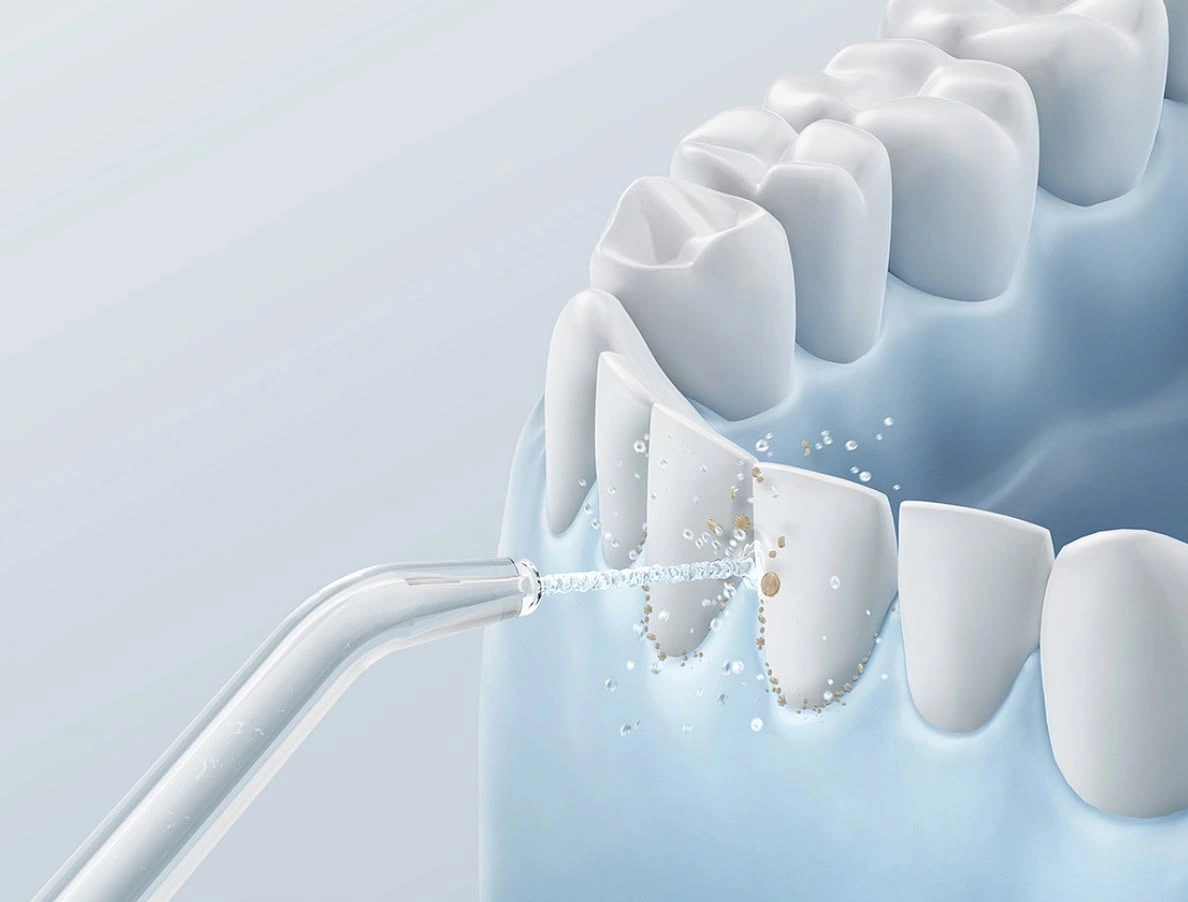
Water irrigation and ultrasonic scalers. Both regular and deep cleanings involve water. Ultrasonic scalers use a continuous stream of water to cool the instrument tip and flush away debris, and the hygienist rinses your mouth periodically throughout the procedure. Some of this water can trickle down the back of your throat, and the minerals, bacteria, and tartar particles it carries can irritate the pharyngeal tissue. This irritation is typically mild and feels like a scratchy or raw sensation when you swallow.
Extended mouth opening. Dental appointments require you to keep your mouth open for extended periods, which dries the oral and throat tissues. Dry throat tissue is more susceptible to irritation from the water, debris, and even the cool air in the clinic. The longer your appointment — and deep cleanings are longer than regular ones — the more likely this dryness contributes to a sore throat.
Post-procedure sensitivity. After a deep cleaning, the gums and surrounding tissues are inflamed from the therapeutic work. This inflammation can extend to nearby structures, including the throat, especially if the deep cleaning included the posterior teeth whose roots are close to the throat area. The sore throat in this case is part of the normal inflammatory response and subsides as the tissue heals over a few days.
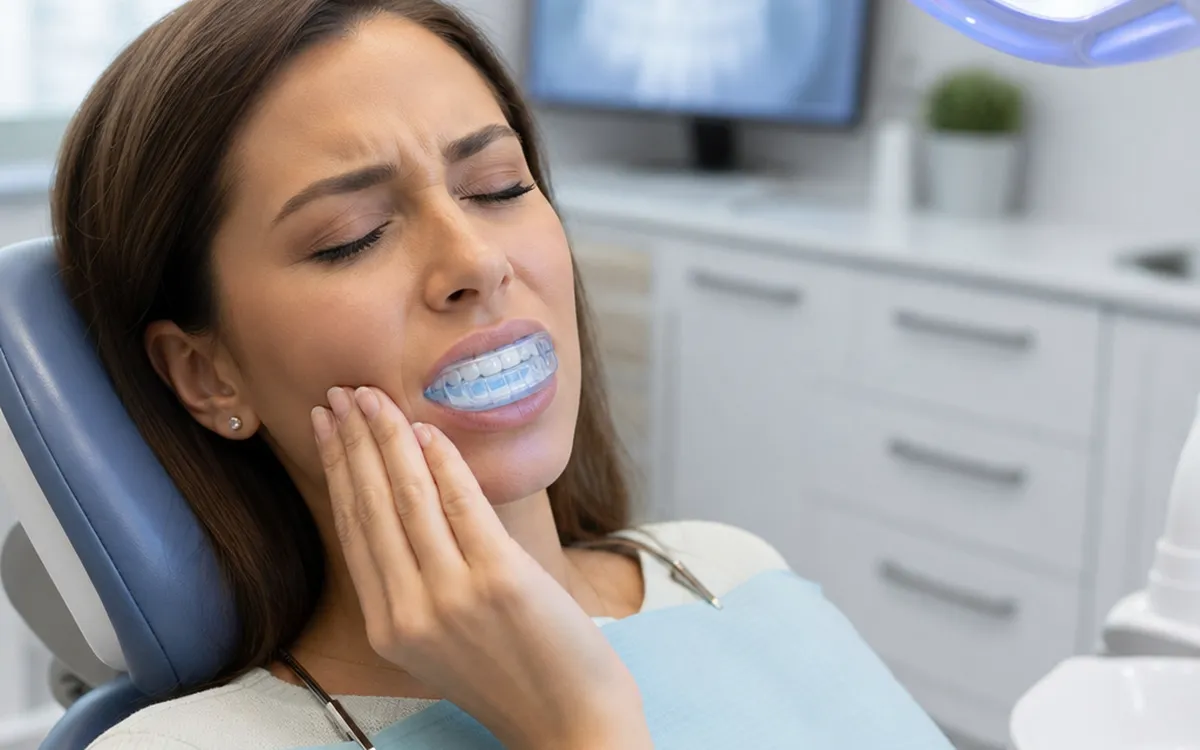
When to be concerned. A mild sore throat after dental cleaning that improves within twenty-four to forty-eight hours is normal and requires no treatment beyond warm salt water rinses and hydration. However, if the sore throat is severe, persists beyond three days, is accompanied by fever, or involves difficulty breathing or swallowing, you should contact your dental provider or physician. These symptoms may indicate an infection unrelated to the cleaning that requires medical attention.
Teeth Cleaning Services Near Me: What to Look For
If you are searching for teeth cleaning services near you, the quality and comprehensiveness of care matter as much as convenience. Here are the factors that distinguish an excellent dental hygiene practice from a mediocre one:
Registered Dental Hygienist on staff. In Ontario, dental hygienists are regulated by the College of Dental Hygienists of Ontario (CDHO) and must meet rigorous educational and professional standards. A registered dental hygienist has the specialized training to perform both regular cleanings and deep cleanings safely and effectively. When evaluating a practice, confirm that your cleaning will be performed by a licensed professional — not a dental assistant with limited training.
Comprehensive periodontal assessment. A quality practice does not simply clean your teeth and send you home. They perform a thorough periodontal assessment at every visit, including probing pocket depths at six points around each tooth, checking for bleeding, evaluating gum recession, and reviewing X-rays when needed. This assessment determines whether you need a regular cleaning or a deep cleaning and tracks changes in your gum health over time.
Modern equipment and techniques. Look for a practice that uses ultrasonic scalers, intraoral cameras, and digital X-rays. These tools allow for more efficient, thorough, and comfortable cleanings. Ultrasonic scalers break apart tartar with gentle vibrations rather than scraping, reducing chair time and post-procedure sensitivity.
Transparent pricing and insurance support. A reputable practice provides clear pricing for dental cleaning services and helps you understand your insurance coverage before treatment. They should offer direct billing, pre-determinations for insurance, and payment options for procedures not fully covered by your plan.
Convenient location and scheduling. Regular cleanings every six months and periodontal maintenance every three to four months require ongoing visits. A practice that is easy to reach from your home or workplace, with flexible scheduling including evenings and weekends, makes it far more likely you will maintain your recommended cleaning schedule.
Krystal Dental Hygiene in Toronto's Fort York neighbourhood meets all of these criteria. Our practice is led by Krystyna Korolchuk, a registered dental hygienist with extensive experience in both preventive and therapeutic dental cleaning services. We provide comprehensive periodontal assessments, use modern ultrasonic instrumentation, offer direct billing, and are conveniently located in downtown Toronto.
Why Choose Krystal Dental Hygiene for Dental Cleaning Services
Choosing the right provider for your dental cleaning services directly impacts your oral health outcomes. At Krystal Dental Hygiene, we combine clinical expertise with patient-centred care to deliver cleanings that protect your teeth and gums for the long term.
Krystyna Korolchuk is a registered dental hygienist licensed by the CDHO with years of clinical experience in preventive and periodontal care. She performs every cleaning personally — not a rotating staff of assistants — which means consistent quality, continuity of care, and a provider who knows your dental history and monitors changes at every visit. Her approach is thorough yet gentle, and she takes the time to explain what she finds during your assessment so you understand your oral health and can make informed decisions about treatment.
Our practice offers both regular dental cleanings and deep cleanings (scaling and root planing) in a comfortable, modern environment. We use ultrasonic scalers for efficient tartar removal, intraoral cameras for transparent patient education, and digital X-rays for precise diagnostics. Every appointment includes a comprehensive periodontal assessment, because catching gum disease early is always less costly and less invasive than treating it after it progresses.
For patients searching for dental cleaning near me in Toronto, our Fort York location is easily accessible by transit and offers flexible scheduling. We provide direct billing to most major insurance providers and transparent pricing for all services. Whether you are due for a routine cleaning or have been told you need a deep cleaning, we are here to help you achieve and maintain healthy gums and a confident smile.
Book your dental cleaning appointment today and experience the difference that personalized, professional care makes for your oral health.
Book Your Dental Cleaning
Whether you need a routine cleaning or a deep cleaning, our registered dental hygienist will assess your gums and provide the right treatment for you.