What Are Dental Gems?
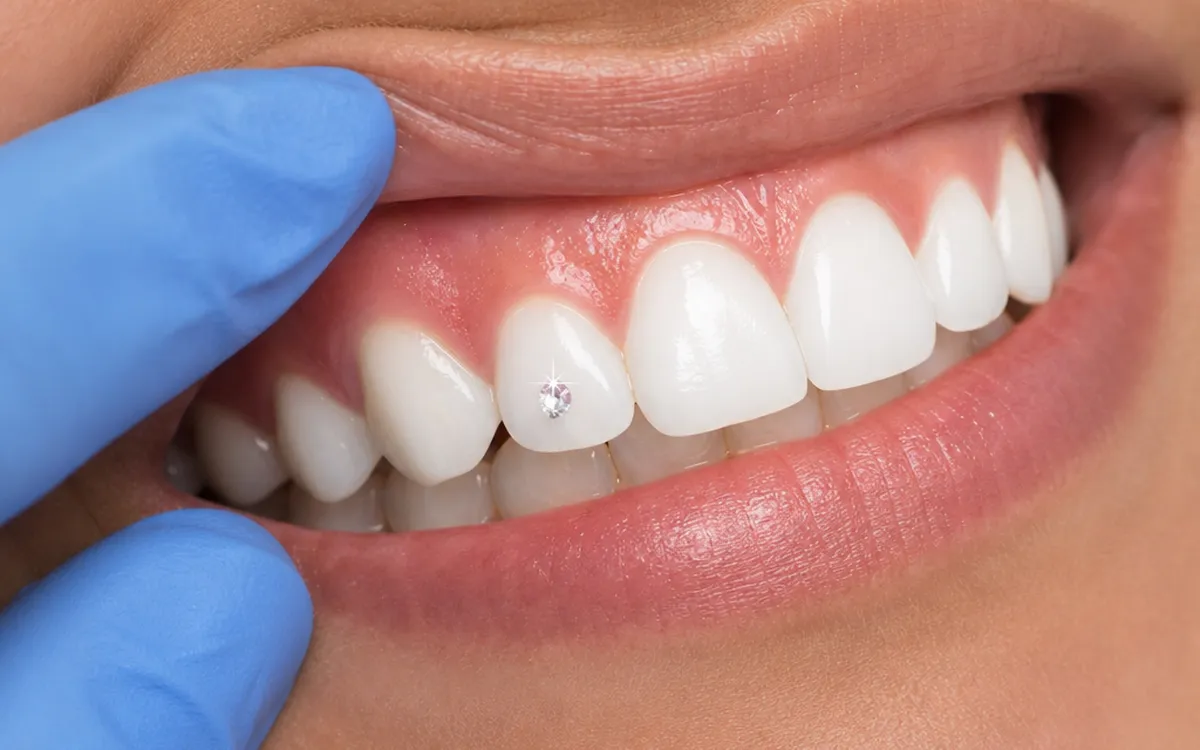
Dental gems — also called tooth gems, tooth crystals, or dental jewellery — are small decorative accessories bonded to the surface of a tooth. Typically made from Swarovski crystal, precious stones, or even small gold shapes, they attach to the enamel without drilling or altering the tooth structure. The result is a subtle, eye-catching sparkle that adds personality to your smile without committing to anything permanent.
The trend has surged across Toronto and the rest of Canada in recent years, moving well beyond a niche fashion statement into mainstream cosmetic dentistry. From a tiny single crystal on a canine to a more elaborate design on an incisor, dental gems give you the freedom to customize your smile in a way that feels uniquely yours.
Are Tooth Gems Safe?
Safety is the first question most people ask, and the answer is yes — when the procedure is performed by a qualified dental professional. A registered dental hygienist or dentist understands enamel anatomy, knows how to properly isolate the tooth, and uses dental-grade bonding agents that are biocompatible and safe for oral use.
The key risk comes from unqualified providers — some beauty salons and unlicensed individuals offer tooth gem application without proper training or infection-control protocols. Poor technique can lead to bonding failures, plaque accumulation around the gem, or even damage to the enamel surface during removal.
Under Ontario's Dental Hygienists Act, 1991, dental hygienists are authorized to perform limited cosmetic procedures like dental gem application as part of their scope of practice. When you choose a registered provider, you are getting someone who works under rigorous professional standards, uses sterile techniques, and knows how to protect your oral health while delivering an aesthetic result.
How the Procedure Works
Getting a dental gem is a straightforward process that typically takes about fifteen to twenty minutes from start to finish. Here is what happens step by step:
1. Consultation and selection. Your hygienist will examine the tooth you want decorated, confirm the enamel is healthy and free of decay, and help you choose a gem that complements your smile. You will discuss placement, size, and colour.
2. Cleaning and isolation. The tooth is polished and thoroughly cleaned to remove any plaque or residue. A cotton roll or dental dam isolates the tooth, keeping it completely dry — moisture is the enemy of a strong bond.
3. Etching. A mild etching gel is applied to the enamel surface for roughly thirty seconds. This creates a microscopic texture that helps the bonding agent adhere. The gel is then rinsed off and the tooth is dried again.
4. Bonding. A light-cured dental adhesive — the same type used for orthodontic brackets — is applied to the tooth. The gem is carefully positioned on the adhesive and pressed gently into place.
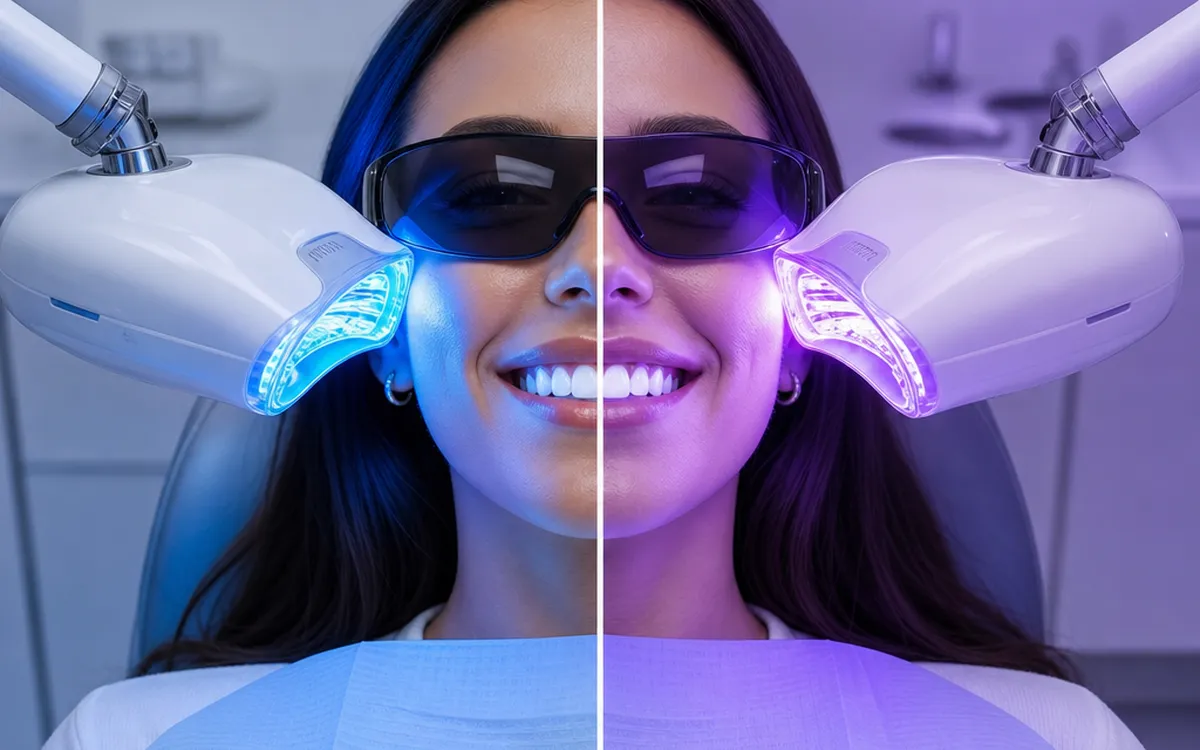
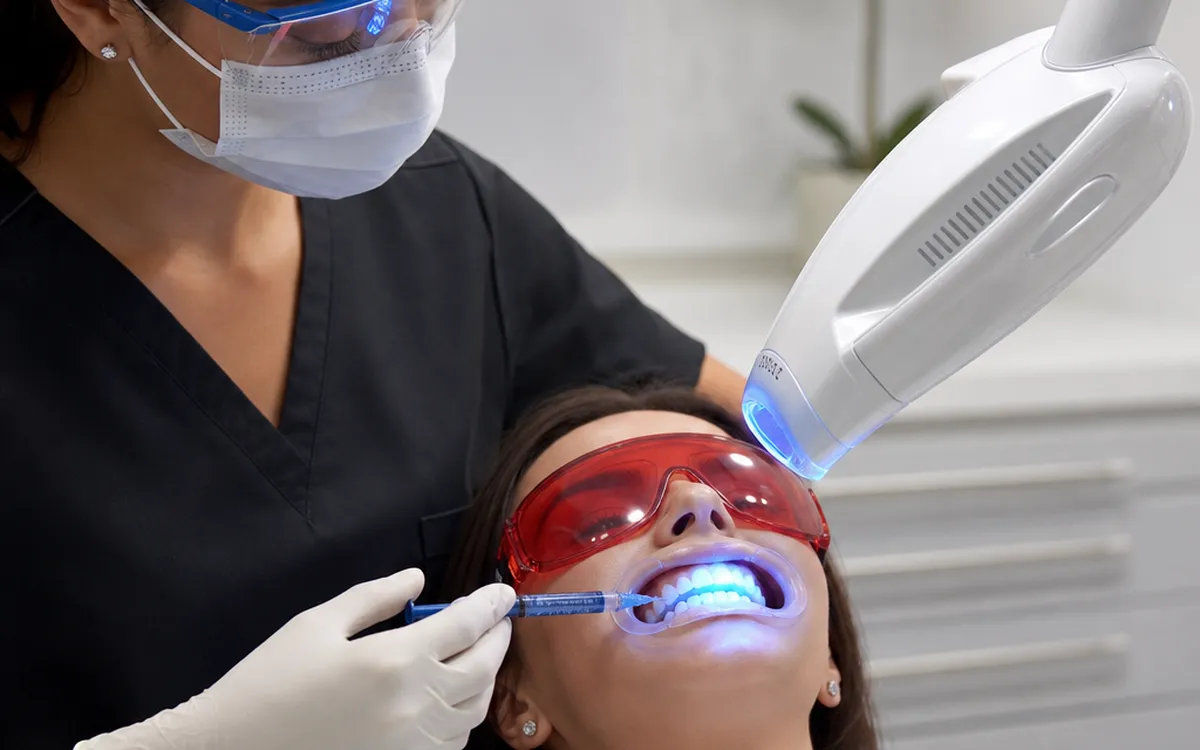
5. Curing. A blue LED curing light hardens the adhesive in seconds, locking the gem securely onto the enamel. Your hygienist will check the placement and ensure the gem feels smooth and comfortable against your lips and cheeks.
The entire process is painless. There are no needles, no drills, and no sensitivity afterward. You can eat and drink normally within an hour of the procedure.
Choosing the Right Gem
The variety of dental gems available today is impressive. Here is a breakdown of the most popular options:
Swarovski crystals are the most common choice. They come in a range of colours — clear, pink, blue, green, and more — and their precision-cut facets create a brilliant sparkle. They are affordable, widely available, and ideal for first-timers.
Natural gemstones like ruby, sapphire, and emerald offer a more luxurious look. These are genuine stones, not glass or synthetic imitations, and they carry a higher price tag along with deeper colour saturation.
Gold and white-gold shapes — stars, hearts, diamonds — appeal to those who prefer a metallic accent over a crystal. Gold gems are subtle in certain lighting and striking in others, making them a versatile option.
Custom designs are also possible. Some studios and clinics offer bespoke shapes or multi-gem arrangements, though these require a longer appointment and cost more.
When choosing a gem, consider your lifestyle, your wardrobe, and how bold or subtle you want the effect to be. A single clear crystal on a canine is understated and professional; a coloured stone on a central incisor is more playful and noticeable. Your dental hygienist can guide you toward a choice that suits your personality and your smile.
Aftercare and Longevity
One of the best things about a dental gem is how little maintenance it requires. Once bonded, you treat it like part of your tooth. Brush and floss as you normally would, and continue with your regular professional cleanings.
That said, there are a few aftercare tips that will help your gem last longer:
Avoid biting directly on hard objects. Chewing ice, hard candy, or using your teeth as tools can dislodge the gem. The adhesive is strong, but it is not indestructible.
Be mindful of sticky foods. Caramel, taffy, and very sticky chewing gum can pull at the gem's edges. If you eat these, do so carefully on the opposite side of your mouth.
Keep up with oral hygiene. Plaque can accumulate around the edges of the gem if you neglect brushing. A soft-bristled toothbrush and gentle circular motions are all you need to keep the area clean.
Schedule regular check-ups. Your hygienist will inspect the gem during your cleaning appointments, confirming it is still securely bonded and not interfering with your gum tissue.
On average, a professionally applied dental gem lasts anywhere from six months to two years, depending on placement, oral habits, and the type of adhesive used. Some gems stay firmly in place for much longer; others may loosen if the tooth is subjected to frequent impact (for example, from playing wind instruments or contact sports). If a gem falls off, the enamel underneath is completely unaffected — there is no residue, no stain, and no damage.
Who Should Apply Dental Gems?
This is perhaps the most important section of this article. The person applying your dental gem matters enormously, and the wrong choice can lead to problems that far outweigh the cosmetic appeal.
A registered dental hygienist is the ideal provider. Here is why: hygienists are trained in infection control, enamel anatomy, and dental materials. They work in a clinical environment with sterilized instruments, proper isolation techniques, and professional-grade bonding agents. They know how to assess whether a tooth is healthy enough for a gem, and they can spot early decay or enamel defects that would make bonding inadvisable.
In contrast, non-dental providers — beauty technicians, nail artists, or mobile gem services — often operate outside any regulatory framework. They may use industrial adhesives (super glue or nail glue) that are toxic if ingested, skip proper isolation, or fail to check the tooth's health before bonding. The result can be enamel damage, allergic reactions, or gems that pop off within days.
In Ontario, the College of Dental Hygienists of Ontario (CDHO) sets the standards for dental hygiene practice, including cosmetic procedures like dental gem application. Choosing a CDHO-regulated provider means you have recourse if something goes wrong, and you can trust that the person working on your teeth meets a professional standard of competency and safety.
Cost and What to Expect
Dental gem pricing in Toronto varies based on the type of gem, the complexity of the design, and the provider you choose. Here is a general overview:
Single Swarovski crystal: typically starts around $50 to $100 at a dental clinic, including the consultation and application. Beauty salons may charge less, but the trade-off in safety and material quality is significant.
Natural gemstone (ruby, sapphire): expect to pay $100 to $250, reflecting the cost of the genuine stone.
Gold shapes: usually in the $80 to $200 range, depending on the karat and design complexity.
Custom or multi-gem designs: these start around $150 and can go up significantly for elaborate arrangements.
At Krystal Dental Hygiene, dental gem application is offered as part of our cosmetic services. The fee includes a tooth health assessment, the gem itself, professional-grade bonding, and aftercare instructions. We also offer gem application as an add-on to your regular cleaning appointment, which is a convenient option if you are already due for one.
Removing a Tooth Gem
If you decide you no longer want your dental gem, removal is simple and harmless when performed by a dental professional. The hygienist uses a specialized instrument to gently break the adhesive bond and lift the gem off the enamel. The process takes only a few minutes and does not involve scraping, grinding, or any damage to the tooth surface.
After removal, any residual adhesive is polished away, leaving the enamel smooth and clean. There is no stain, no mark, and no indication that a gem was ever there. This reversibility is one of the procedure's biggest selling points — you can enjoy the look without worrying about permanent consequences.
We strongly advise against attempting to remove a dental gem at home. Prying at it with your fingernail, a toothpick, or any tool can chip the enamel or leave adhesive residue that attracts plaque. Always have a professional handle removal.
Why Choose Krystal Dental Hygiene for Dental Gems
Krystal Dental Hygiene is a trusted provider of dental gem application in Toronto, and there are several reasons our clients choose us over other options:
Clinical-grade safety. Every gem is applied in a clean, regulated environment using sterilized instruments and dental-grade bonding materials. We follow CDHO guidelines and maintain the highest infection-control standards.
Expert placement. As registered dental hygienists, we understand tooth anatomy and enamel thickness. We assess each tooth before bonding, ensuring the enamel is healthy and the placement will be stable and comfortable.
Convenient add-on. You can have your gem applied during a routine cleaning appointment, saving you a separate visit. Combine your professional cleaning with a gem application and walk out with a sparkling, fresh smile.
Honest guidance. We will tell you if a dental gem is not right for your situation. If we see early decay, thinning enamel, or gum inflammation, we will recommend treating those issues first — because your oral health always comes before aesthetics.
Ready to add a little sparkle to your smile? Book an appointment today and let us help you choose the perfect dental gem.
Book Your Dental Gem Appointment
Add personality to your smile with a professionally applied dental gem. Safe, painless, and reversible.