How Long Does Professional Whitening Last?
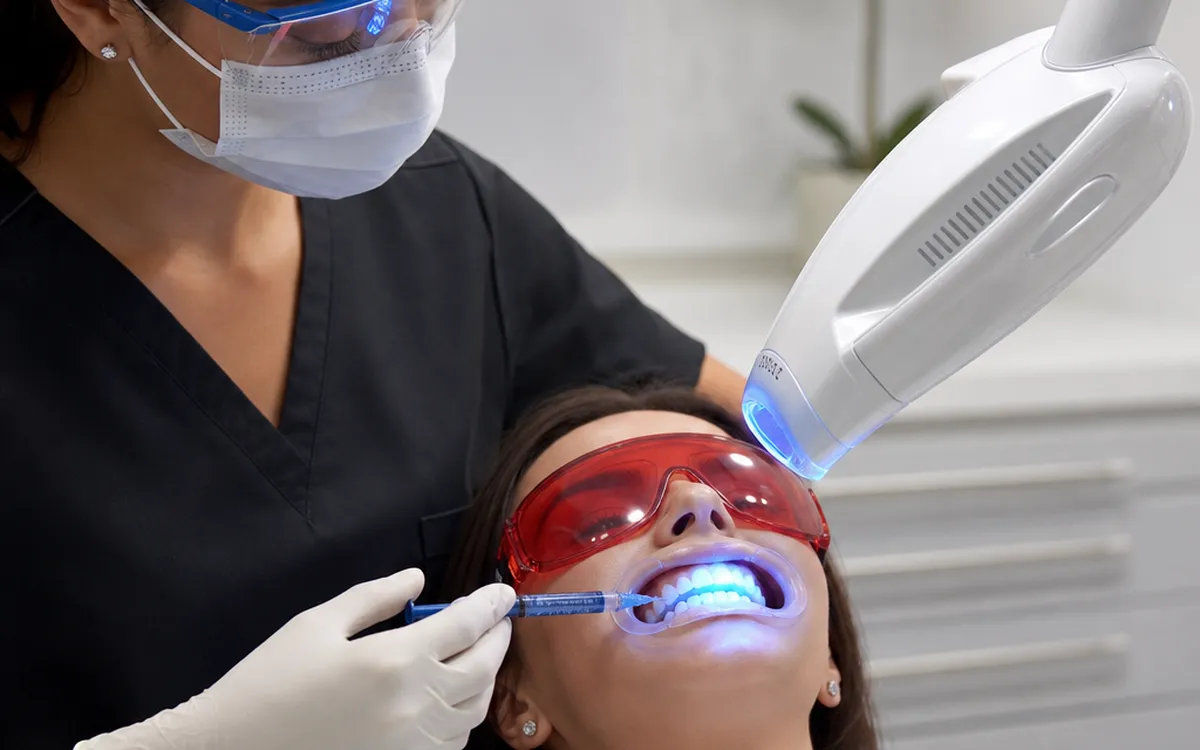
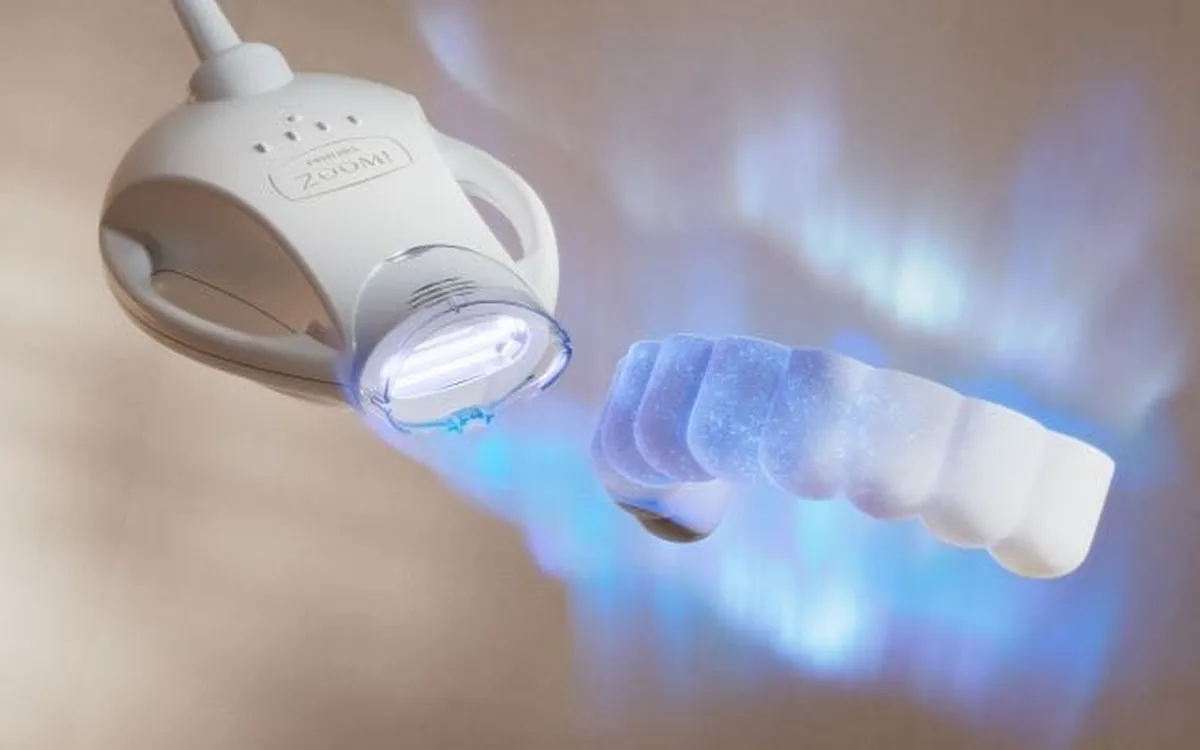
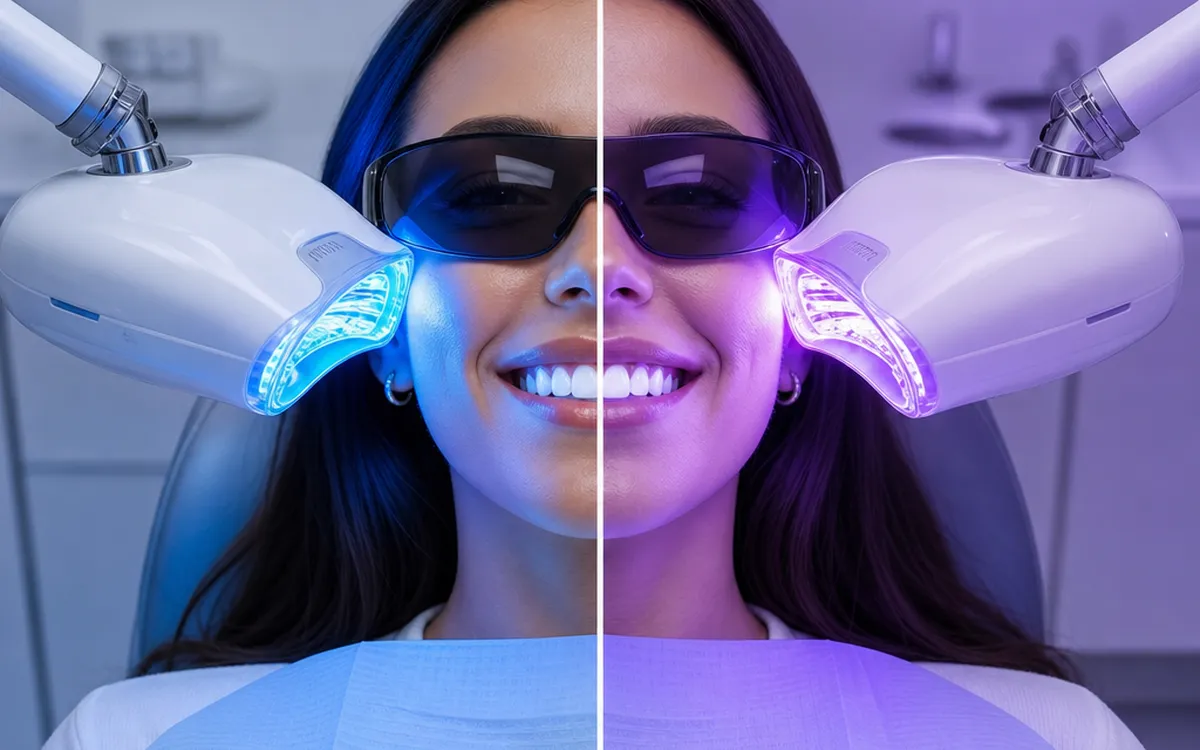
One of the most common questions patients ask after a whitening session is, "How long will this last?" The honest answer is that it depends — but the range for professional in-office whitening is typically between 12 and 24 months. Philips Zoom, the system used at Krystal Dental Hygiene, is among the longest-lasting professional options available because it combines a high-concentration whitening gel with Amorphous Calcium Phosphate (ACP), which strengthens enamel while lifting stains. The peroxide in the gel breaks the molecular bonds that hold stains on your teeth, and the LED accelerator light ensures deep, even penetration.
Compare that to over-the-counter whitening strips or generic trays, which use lower concentrations of peroxide and rarely deliver results that persist beyond a few months. Professional whitening is more effective not only in the shade achieved but in the durability of the result. That said, even the best professional treatment will fade faster if you expose your teeth to the same staining agents that darkened them in the first place. The good news is that with a thoughtful aftercare routine, most patients can keep their smile looking bright well beyond the one-year mark.
It is also worth understanding the difference between intrinsic and extrinsic staining. Intrinsic stains — discolouration within the tooth structure itself, caused by ageing, trauma, or certain medications — can only be lightened by peroxide-based whitening. Extrinsic stains — the surface stains caused by coffee, tea, red wine, tobacco, and dark foods — can be removed by a thorough professional cleaning. In many cases, what patients perceive as "whitening fading" is actually new extrinsic stain accumulating on the surface. This is where regular maintenance cleanings make a dramatic difference.
For a complete overview of how professional whitening works and why it is considered safe, our Philips Zoom Whitening Guide covers the science, the procedure, and what to expect in detail.
The First 48 Hours: Critical Aftercare Rules
The first 48 hours after a professional whitening session are the most important period for protecting your investment. During this window, your enamel is temporarily more porous and receptive to staining. The peroxide treatment opens microscopic pores in the enamel to lift out deep stains, and those pores remain open for roughly two days before re-mineralizing. Anything dark or acidic that you consume during this period has a much higher chance of penetrating the enamel and undoing part of your whitening result.
Here is what to avoid completely during the first 48 hours:
- Coffee and tea — both contain tannins that bind readily to enamel. If you absolutely cannot go without, drink through a straw and rinse with water immediately after, but the safest approach is to avoid them entirely.
- Red wine and dark spirits — red wine is one of the most potent staining agents; dark spirits aged in barrels also carry tannins.
- Dark berries and fruit juices — blueberries, blackberries, pomegranate juice, and grape juice are all concentrated sources of chromogens.
- Tomato-based sauces and soy sauce — the deep pigments in tomato sauce, ketchup, and soy can adhere to freshly whitened enamel.
- Coloured candy, popsicles, and sports drinks — artificial food dyes are engineered to stick, and they will.
- Tobacco in any form — smoking or chewing tobacco will stain newly whitened teeth faster than almost anything else.
What should you eat instead? Think of the "white diet" — chicken, fish, rice, pasta with white sauce, cauliflower, potatoes, yogourt, cottage cheese, bananas, and clear water. These foods are safe and will not compromise your results.
In addition to watching your diet, avoid acidic foods and drinks during this period. Acid temporarily softens enamel, making it even more vulnerable to staining. This means skipping citrus juices, soda, and vinegar-based dressings for two days. If you do consume something acidic, wait at least 30 minutes before brushing — brushing softened enamel can cause micro-scratches that become future stain traps.
Foods and Drinks That Stain Teeth (and What to Choose Instead)
Once the critical 48-hour window has passed, you do not need to be as strict — but the choices you make every day still determine how quickly your whitening fades. Understanding which foods and drinks are the worst offenders helps you make smarter decisions without giving up everything you enjoy.
High-risk staining agents:
- Coffee and black tea — the biggest daily culprits for most people. Tannins in both adhere to enamel and build up progressively with each cup.
- Red wine — contains chromogens, tannins, and acid, making it a triple threat to white teeth.
- Colas and dark sodas — not only do they contain dark pigments, but their acidity erodes enamel, making it easier for stains to take hold.
- Curry and turmeric — these vibrant spices are notorious for leaving a yellowish tint on enamel over time.
- Balsamic vinegar — dark, sticky, and acidic — one of the most staining condiments.
- Beetroot and dark berries — healthy, but their pigments are powerful stainers.
Smarter alternatives and harm-reduction strategies:
- Drink through a straw — this bypasses most contact with your front teeth. Works well for coffee, tea, and sodas.
- Rinse with water immediately — swishing water after a staining drink dilutes pigments before they can bond to enamel.
- Add milk to coffee or tea — the proteins in milk bind to tannins, reducing their ability to stick to teeth.
- Choose green or herbal tea over black tea — lighter teas contain fewer tannins and are significantly less staining.
- Pair staining foods with Crunchy produce — apples, celery, and carrots act like natural scrubbers, stimulating saliva and gently cleaning tooth surfaces as you chew.
If you want more tips on managing specific stains, our article on removing coffee and tea stains naturally covers daily strategies in greater detail.
Daily Habits for Lasting Whitening Results
Long-term whitening maintenance is not about a single heroic effort — it is about consistent daily habits that slowly add up. Here is the routine that will keep your smile bright for the longest possible time.
Brush twice a day with a whitening toothpaste. A whitening toothpaste containing mild abrasives or low-concentration peroxide helps remove surface stains before they accumulate. Look for a brand with the Canadian Dental Association (CDA) seal of acceptance, and use a soft-bristled brush to avoid scratching enamel.
Floss daily. Stains accumulate between teeth where brushing cannot reach. Flossing removes the plaque biofilm that yellows interproximal surfaces — the very area most visible when you smile. If traditional floss is difficult, interdental brushes or a water flosser are effective alternatives.
Use an antiseptic mouthwash. A therapeutic mouthwash reduces the bacterial load that contributes to plaque formation, which in turn reduces the yellowing effect of biofilm on your enamel. Choose an alcohol-free formula — alcohol dries the mouth, reducing saliva, which is your natural defence against stains.
Stay hydrated. Water is your best friend for whitening maintenance. It rinses away food particles, dilutes staining compounds, and supports healthy saliva production. If you live in Toronto, tap water contains fluoride, which strengthens enamel against acid erosion.
Schedule regular GBT cleanings. This is the single most impactful professional step you can take. Guided Biofilm Therapy (GBT) removes extrinsic stains and biofilm from every surface of your teeth — including between teeth and below the gumline — without the abrasion of traditional polishing paste. Because GBT uses warm AIRFLOW technology with ultra-fine erythritol powder, it can be performed as often as needed without damaging enamel or existing dental work. Regular GBT cleanings every three to six months prevent stain buildup from becoming visible, reducing the frequency with which you need a whitening touch-up.
Avoid smoking and vaping. Tobacco is the fastest way to stain whitened teeth. The tar and nicotine in cigarettes create brown and yellow deposits that penetrate enamel quickly. Vaping, while sometimes perceived as less harmful, still introduces heat and chemicals that contribute to discolouration over time.
When to Get a Whitening Touch-Up
No whitening treatment is permanent — your teeth continue to age, and daily life continues to introduce staining agents. A touch-up is a shorter, lighter version of your original whitening session that restores brightness without the full treatment time or cost. Here is how to know when you are ready for one.
Watch for gradual yellowing. If you notice your teeth starting to look slightly less bright — particularly along the edges near the gumline — it is probably time. Do not wait until you are unhappy with the shade; touching up at the first sign of fading requires less peroxide and produces a more even result.
Consider a touch-up every 12 to 18 months. Even patients with excellent home care and regular cleanings will see some gradual return of warmth to their shade over time. Scheduling a touch-up around the one-year mark is a reliable way to keep your smile consistently bright.
Before a special event. Weddings, graduations, professional photos — if you have an important occasion coming up and it has been six months or more since your last whitening, a touch-up ensures your smile looks its absolute best. Plan the session about two weeks before the event so any temporary sensitivity has fully resolved.
After a GBT cleaning. For the most even and longest-lasting results, schedule your touch-up immediately after a GBT cleaning. A clean tooth surface allows the whitening gel to penetrate evenly and fully, maximizing the result. Starting with a stain-free surface means the peroxide only has to address intrinsic discolouration, not fight through surface deposits first.
Krystal Dental Hygiene offers a dedicated whitening touch-up service designed for patients who have already completed a full whitening session and want to maintain their shade efficiently.
Keep Your Smile Bright at Krystal Dental Hygiene
Maintaining whitening results is not difficult when you have the right routine and the right professional support. At Krystal Dental Hygiene in Toronto's Fort York neighbourhood, we help patients protect their whitening investment with regular GBT cleanings, professional touch-ups, and personalized aftercare advice tailored to your lifestyle and diet.
Whether you have just completed a Philips Zoom whitening session or you are planning one for the future, our team ensures that every step — from pre-whitening GBT cleaning to post-treatment care — is optimized for the longest-lasting, most radiant result possible.
This article was written by Krystyna Korolchuk, a registered dental hygienist and independent practice owner licensed under the Dental Hygienists Act, 1991 and regulated by the College of Dental Hygienists of Ontario (CDHO).
Ready to Protect Your Bright Smile?
Book a GBT maintenance cleaning or whitening touch-up at Krystal Dental Hygiene. Gentle care, lasting results.