As a parent, you want the best for your child — and that includes a healthy, confident smile that lasts a lifetime. But children's dental care involves more than reminding them to brush before bed. From the timing of that very first dental visit to choosing the right provider, establishing consistent habits, and understanding which preventive treatments make a real difference, there is a lot to navigate. This guide breaks it all down so you can feel confident you are making the right decisions for your child's oral health at every stage.
Why Early Dental Care Matters
Dental health in childhood sets the trajectory for oral health in adulthood. Baby teeth may be temporary, but they serve critical functions: they hold space for permanent teeth, enable proper chewing and nutrition, support speech development, and shape facial structure. When baby teeth are lost prematurely due to decay, the surrounding teeth can shift into the empty space, leading to alignment problems that may require orthodontic treatment later.
Early childhood caries — also known as baby bottle tooth decay — remains one of the most common chronic diseases in young children, affecting far more kids than asthma. The good news is that it is almost entirely preventable with the right combination of home care, professional oversight, and dietary awareness. Starting early with a dental provider who can monitor development and catch problems before they become serious is one of the most impactful things you can do for your child.
Finding the Right Dental Provider
Choosing the right dental care provider for your child is a decision that can shape their attitude toward dental visits for years to come. A positive early experience helps your child view dental care as routine and unthreatening rather than something to fear. Here are the key factors to consider when making this important choice.
Look for experience with children. Not all dental professionals specialise in paediatric care. A provider who regularly works with children understands how to explain procedures in age-appropriate language, manage anxiety, and create an environment that feels safe and welcoming. Registered dental hygienists with experience treating children are well positioned to provide cleanings and preventive care in a gentle, child-friendly manner.
Ask for recommendations. Personal referrals from other parents can be incredibly valuable. Ask friends, family members, or your paediatrician about their experiences. Online reviews can also offer useful insights — look for consistent themes about how the provider interacts with children, whether they take time to explain procedures, and whether parents feel their child was treated with patience and care.
Check credentials and accreditation. In Ontario, dental hygienists are regulated by the College of Dental Hygienists of Ontario (CDHO). Verifying that your provider is registered and in good standing with their regulatory college ensures they meet the standards of practice and continuing education requirements that protect patient safety.
Visit the clinic first. Schedule a brief tour or consultation before your child's first appointment. This gives you a chance to assess the environment: Is it clean and welcoming? Are there child-friendly elements like books, toys, or a comfortable waiting area? Does the staff seem warm and approachable? Your own comfort level matters — if you feel at ease, your child is more likely to feel at ease too.
The First Dental Visit: What to Expect
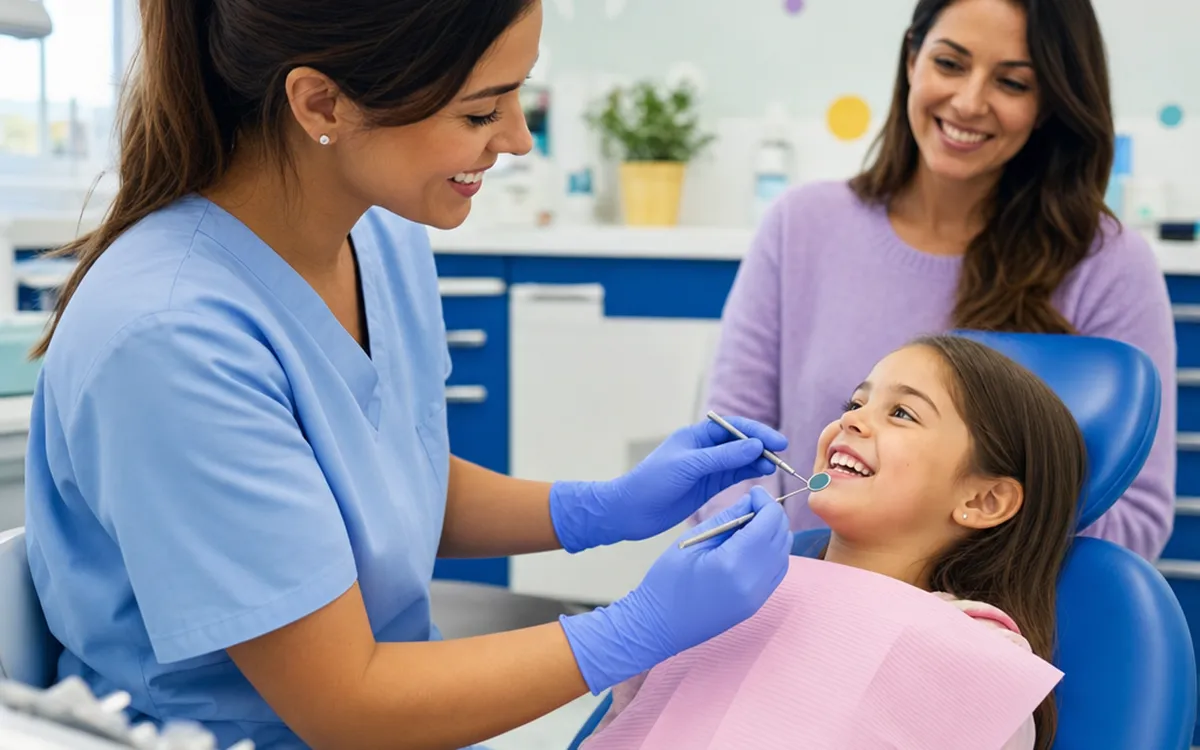
Knowing what will happen during your child's first dental appointment can ease anxiety for both of you. For a toddler, the first visit is typically short and focused on prevention rather than treatment. The dental hygienist or dentist will examine your child's mouth to check tooth eruption, look for early signs of decay, and assess gum health. They will also evaluate your child's risk factors for cavities based on diet, oral hygiene habits, and family dental history.
Expect the provider to discuss brushing technique, appropriate toothpaste amounts, and fluoride use. They may also talk about teething, thumb-sucking, and pacifier habits. This is your opportunity to ask any questions you have — no concern is too small when it comes to your child's oral health. A good provider will take the time to educate you, not just examine your child, because parental involvement is the single biggest factor in preventing childhood dental disease.
Building Great Oral Hygiene Habits at Home
The habits your child develops at home will have a far greater impact on their oral health than any single dental visit. As a parent, you play the central role in establishing and reinforcing these routines until your child is old enough to manage them independently.
Set a consistent routine. Children thrive on predictability. Establish set times for brushing — morning and night — and stick to them. Setting reminders on your phone or creating a visual chart with stickers can help make the routine feel structured and rewarding rather than arbitrary. Consistency is what transforms a task into a habit, and habits formed in childhood tend to persist into adulthood.
Supervise brushing until age eight or nine. Young children lack the manual dexterity to brush effectively on their own. Until about age eight or nine, you should either brush their teeth yourself or supervise closely to ensure they are reaching every surface. A common guideline is that children should be able to tie their own shoes before they brush their teeth independently — it is a reasonable proxy for the fine motor control required for effective brushing.
Use the right amount of toothpaste. For children under three, use a smear of fluoride toothpaste about the size of a grain of rice. From age three to six, increase to a pea-sized amount. Fluoride is safe and effective at these levels, and it is one of the most important tools for preventing cavities in children. The key is using the correct amount — not too much, not too little.
Making Brushing and Flossing Fun
Let's be honest — brushing and flossing are not inherently exciting activities for most children. But with a little creativity, you can make them something your child actually looks forward to rather than resists. The goal is to associate oral hygiene with positive feelings so the habit becomes self-sustaining over time.
Set a timer or play music. Two minutes can feel like an eternity to a child. Using a sand timer, a brushing app with a countdown, or playing a favourite two-minute song turns the time requirement into a game rather than a chore. Many electric toothbrushes designed for children also have built-in timers that pulse every 30 seconds to signal when it is time to move to a different quadrant of the mouth.
Let your child choose their tools. Allow your child to pick their own toothbrush — there are countless options featuring favourite characters, colours, and designs. The same goes for toothpaste flavours. When children feel ownership over their oral care tools, they are more motivated to use them.
Brush together as a family. Children learn by watching. When they see you brushing and flossing with care and consistency, they internalise the message that oral hygiene is important and non-negotiable. Making it a shared family activity also adds a social element that many children find motivating.
Diet and Your Child's Oral Health
What your child eats and drinks has a direct and measurable impact on their dental health. Frequent exposure to sugary and acidic foods feeds the bacteria that cause tooth decay, while a balanced diet rich in vitamins and minerals strengthens teeth and supports healthy gum tissue.
Limit sugary snacks and drinks. It is not just the total amount of sugar that matters — it is the frequency of exposure. Sipping juice or snacking on sweets throughout the day creates a constant acid attack on tooth enamel. If your child does have a sugary treat, it is better consumed at once with a meal rather than grazed on over hours. Offer water as the default drink between meals, and save juice, sports drinks, and soda for occasional treats rather than daily staples.
Choose tooth-friendly foods. Crunchy fruits and vegetables like apples, carrots, and celery naturally stimulate saliva production and help clean tooth surfaces. Dairy products such as cheese and yoghurt provide calcium and phosphate that strengthen enamel. Nuts and seeds offer healthy fats and minerals that support gum health. Building meals around these foods gives your child's teeth the nutrients they need to resist decay.
Be mindful of sticky foods. Dried fruit, gummy vitamins, and fruit snacks may seem healthy, but they adhere to tooth surfaces and get trapped in the grooves of molars where they feed bacteria for extended periods. If your child eats sticky foods, brush or rinse as soon as possible afterward.
Why Regular Check-Ups Are Non-Negotiable
Professional dental visits are not just for when something goes wrong — they are a preventive measure that catches problems early, before they become painful, expensive, and difficult to treat. During a check-up, the dental hygienist or dentist evaluates tooth decay levels, monitors gum health, tracks dental development, and identifies risk factors that may not be visible to an untrained eye.
The Canadian Dental Association recommends dental visits every six months for most children, though your provider may suggest more frequent visits if your child has specific risk factors such as a history of cavities, developmental enamel defects, or ongoing orthodontic treatment. Regular professional cleanings remove plaque and tartar that home brushing cannot fully eliminate, and they give the provider an opportunity to reinforce good habits and address any concerns before they escalate.
Beyond the clinical benefits, regular visits help your child build a comfortable, familiar relationship with their dental provider. A child who visits the dentist routinely and has positive experiences is far less likely to develop dental anxiety — a condition that affects a significant portion of adults and often traces back to negative childhood experiences.
Preventive Treatments for Children
Modern dentistry offers several preventive treatments that can significantly reduce your child's risk of cavities and other dental problems. These are not substitutes for good home care, but they are powerful complements that add an extra layer of protection.
Dental sealants. Sealants are thin protective coatings applied to the chewing surfaces of the back molars, where the majority of cavities in children develop. The deep grooves and pits in these teeth are difficult to clean with a toothbrush, making them prime targets for decay. Sealants create a smooth barrier that blocks food and bacteria from settling into these crevices. They are painless to apply and can reduce the risk of molar decay by nearly 80 percent.
Professional fluoride treatments. In-office fluoride treatments deliver a concentrated dose of fluoride that strengthens enamel far more effectively than toothpaste alone. This is particularly beneficial for children who are at elevated risk for cavities, whether due to dietary habits, developmental factors, or a family history of decay. The treatment takes just a few minutes and provides months of added protection.
Guided Biofilm Therapy (GBT). GBT is a modern, gentle approach to professional cleaning that is especially well suited for children. It uses a warm water and air powder system to remove biofilm without the scraping and vibration of traditional scaling instruments. For children who may be anxious about dental visits, the gentle and painless nature of GBT can make the experience far more positive, helping to build trust and cooperation for future appointments.
Common Dental Issues in Children
Understanding the most common dental problems children face helps you recognise the signs early and take prompt action. Here are the issues parents encounter most frequently.
Tooth decay. Cavities remain the most prevalent childhood dental disease. Early signs include white spots on the enamel (an indication of demineralisation), visible brown or black spots, and sensitivity to hot, cold, or sweet foods. If your child reports any of these symptoms, schedule an appointment promptly — early-stage decay can often be halted or reversed with fluoride treatment, while advanced decay requires restorative procedures.
Thumb-sucking and pacifier habits. Most children outgrow these habits naturally, but if they persist beyond age four or five, they can affect the alignment of teeth and the development of the palate. If you are concerned about your child's habit, discuss it with your dental provider, who can offer guidance and, if necessary, recommend interventions.
Dental emergencies. Active children are prone to dental injuries from falls, sports, and play. If a permanent tooth is knocked out, handle it by the crown (not the root), rinse it gently, and try to place it back in the socket. If that is not possible, keep it in milk or saliva and seek emergency dental care immediately — the first 30 minutes are critical for saving the tooth. For baby teeth, do not attempt to reinsert them, but do contact your dental provider for guidance.
At Krystal Dental Hygiene, I provide professional dental cleaning in Toronto using Guided Biofilm Therapy — a gentle, child-friendly approach that makes cleanings comfortable even for young patients. As an independent dental hygienist practising under the Dental Hygienists Act, 1991, I am committed to helping your child build a positive relationship with dental care from the very first visit.
Ready to Give Your Child a Great Dental Start?
Book a gentle GBT cleaning and consultation — expert paediatric-friendly care tailored to your child's needs.