Most people know they should brush twice a day and floss regularly — but the details of a truly effective morning routine often get lost. When should you brush relative to breakfast? How much toothpaste is enough? Should you use mouthwash every morning? And what does your first meal of the day have to do with cavity prevention? These questions deserve clear, evidence-based answers, and that is exactly what this guide provides.
Why Your Morning Routine Matters
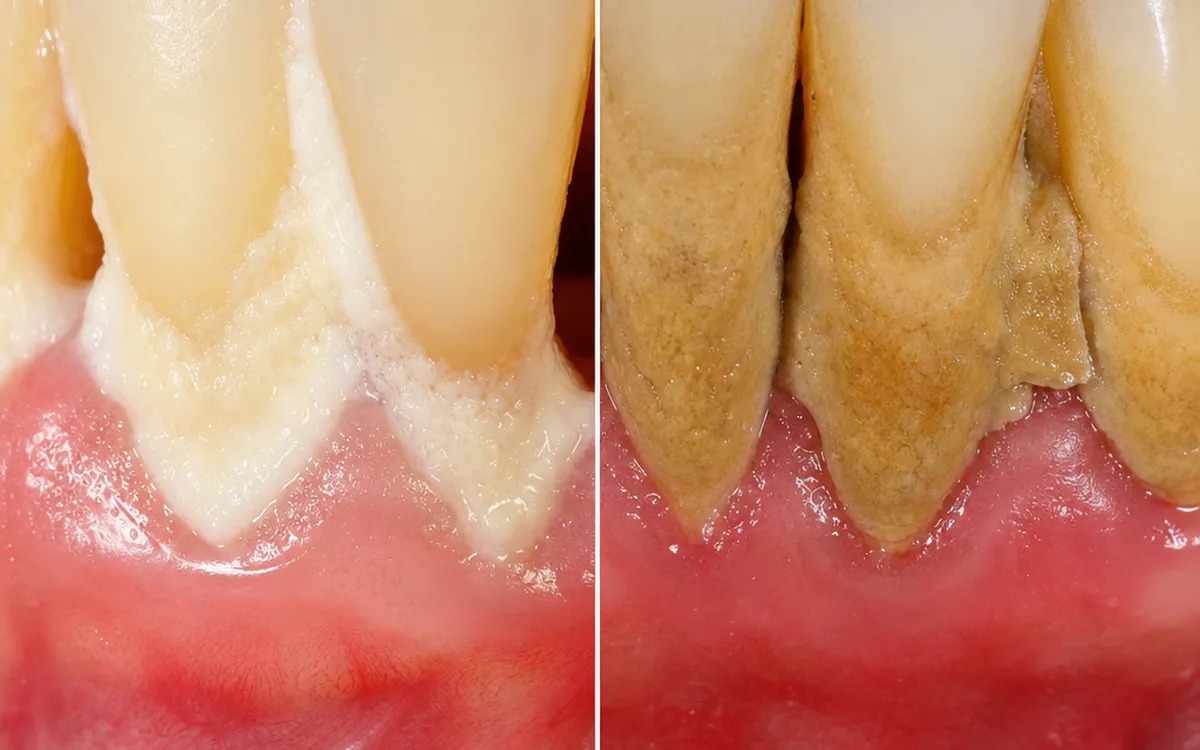
Starting your day with a solid oral health routine does more than freshen your breath — it sets the foundation for long-term dental and overall health. When we sleep, our salivary flow drops dramatically, which means the protective mechanisms that normally wash away bacteria and neutralise acids are effectively switched off. The result is that plaque bacteria grow at a significantly faster rate overnight than during the day.
That "furry" feeling on your teeth when you wake up? It is not just a film — it is a living layer of bacteria that has been multiplying for hours. Morning breath, that yellowish coating on your tongue, and the sticky residue between your teeth are all signs that your mouth needs immediate attention. Establishing a consistent morning routine helps you clear this bacterial buildup before it can cause damage, and the habit itself triggers your body to wake up and prepare for the day ahead.
When to Brush: Before or After Breakfast?
This is one of the most debated questions in oral health, and the answer surprises many people: brush before breakfast. Here is why.
Brushing before you eat serves two important purposes. First, it removes the overnight plaque buildup before you introduce food that bacteria can feed on. Second, and more importantly, it coats your teeth with fluoride from your toothpaste, giving them a protective shield against the acids in common breakfast items like orange juice, coffee, and fruit. When acidic foods and drinks temporarily soften your enamel, having a fluoride layer already in place significantly reduces the risk of erosion.
If you want to freshen up after eating, simply rinse with water or chew sugar-free gum. Avoid brushing immediately after consuming acidic foods — the enamel is in a temporarily weakened state and brushing can physically wear it away. Wait at least 30 minutes after an acidic meal before brushing.
Don't Rush the Brush
The way you brush is just as important as when you brush. Choose a toothbrush — ideally electric — with medium-textured bristles. This ensures the bristles are firm enough to remove plaque but soft enough not to scratch your gums or enamel. Brush for at least two to three minutes, making sure you reach the gum line as well as every surface of each tooth.
A common mistake is focusing only on the chewing surfaces and the front of the teeth while neglecting the back molars and the area where the tooth meets the gum. The gum line is where plaque accumulates most aggressively, and it is also where gingivitis begins. Angle your brush at 45 degrees toward the gum and use gentle circular motions rather than aggressive back-and-forth scrubbing.
Fluoride Facts You Need to Know
Fluoride is a mineral added to toothpaste because it is one of the most effective tools we have for preventing tooth decay. It works by strengthening enamel and protecting it from acid attacks throughout the day. Choosing a toothpaste with fluoride and applying it to a dry toothbrush before thoroughly brushing ensures maximum uptake.
The critical step most people skip: after brushing, spit out the excess toothpaste but do not rinse. Rinsing washes away the fluoride before it has time to be absorbed by your enamel. Leaving the residue on your teeth allows the fluoride minerals to continue strengthening your enamel for up to several hours after brushing. This simple habit can make a measurable difference in cavity prevention over time.
Be Keen to Clean Between
Plaque bacteria thrive in dark, warm, sheltered areas — and in your mouth, those areas are between your teeth. Your toothbrush cannot reach these spaces effectively, which means you can have significantly more plaque between your teeth than on the surfaces you brush. Flossing or using interdental brushes is an essential part of proper oral hygiene, not an optional extra.
Clean between your teeth every time you brush — morning and night. If traditional floss is difficult to manage, interdental brushes or water flossers are effective alternatives. The key is consistency: skipping the between-teeth cleaning leaves bacteria behind that will continue to produce acid, contribute to bad breath, and eventually cause cavities and gum disease in the spaces you cannot see.
Tongue Cleaning: The Overlooked Step
Your tongue acts as a host for most of the bacteria in your mouth. If you look at your tongue first thing in the morning, you will likely see a yellowish coating — this is a collection of food debris, bacteria, and dead cells, all of which contribute to bad breath and can be re-deposited onto your freshly cleaned teeth.
Gently cleaning your tongue each morning, either with your toothbrush or a dedicated tongue scraper, provides multiple benefits: it promotes fresher breath, reduces the bacterial load that contributes to gum disease, enhances your sense of taste, and even supports your immune and digestive health by removing toxins that would otherwise be swallowed. Add tongue cleaning to your routine right after brushing and before interdental cleaning for the best results.
Mouthwash Myths and Mistakes
Routinely using a mouthwash is not considered an essential part of your daily oral healthcare routine unless it has been specifically recommended by a dental professional. Strong mouthwashes used too often can alter the microbiome in your mouth by killing off beneficial bacteria alongside the harmful ones, creating an imbalance that may actually increase your risk of oral health problems.
If you do choose to use a mouthwash, follow these guidelines: use it at a separate time from brushing — for example, midday after lunch — never immediately after brushing, because it will wash away the fluoride you just applied. Choose a mouthwash containing essential oils rather than chlorhexidine, which can stain your teeth with long-term use. Think of mouthwash as a supplement, not a substitute for proper brushing and cleaning between your teeth.
Best Breakfast Choices for Your Teeth
Excessive sugar consumption leads to tooth decay, and frequent exposure to acidic food and drinks is associated with erosive tooth wear — but nutrition's role in oral health goes beyond simply avoiding the bad. If your diet lacks certain nutrients, it becomes harder for the tissues in your mouth to resist infection, which can contribute to gum disease. Proper nutrition also helps saliva fulfil its function and maintain a healthy pH balance by reducing the acid that weakens enamel.
The act of chewing is important for stimulating saliva production, so choose breakfast foods that require chewing and are low in sugar:
- Whole grain, low-sugar cereals — require chewing and provide B vitamins for gum health.
- Plain yoghurt — rich in calcium and probiotics that support a healthy oral microbiome.
- Nuts and seeds — stimulate saliva and provide healthy fats and minerals.
- Fresh fruit (not juice) — whole fruit provides fibre for chewing and less concentrated sugar than juice. Apples and pears are particularly good choices.
- Cheese — raises pH levels in the mouth and provides calcium for enamel strength.
Try to avoid high-sugar spreads, refined carbohydrates, and fruit juices at breakfast. If you do consume something acidic, rinse with water afterward and wait 30 minutes before brushing.
Putting It All Together
A complete, science-backed morning oral health routine looks like this:
- Brush before breakfast — two to three minutes with a fluoride toothpaste on a dry brush, angle at 45 degrees toward the gum line, gentle circular motions.
- Spit, don't rinse — leave the fluoride residue on your teeth for maximum enamel protection.
- Clean your tongue — gently scrape or brush to remove bacterial coating and freshen breath.
- Clean between your teeth — floss or use interdental brushes to remove plaque from the spaces your brush cannot reach.
- Enjoy a tooth-friendly breakfast — choose whole foods that require chewing and are low in sugar and acid.
- Rinse with water after eating — if you consumed anything acidic, rinse and wait 30 minutes before any further brushing.
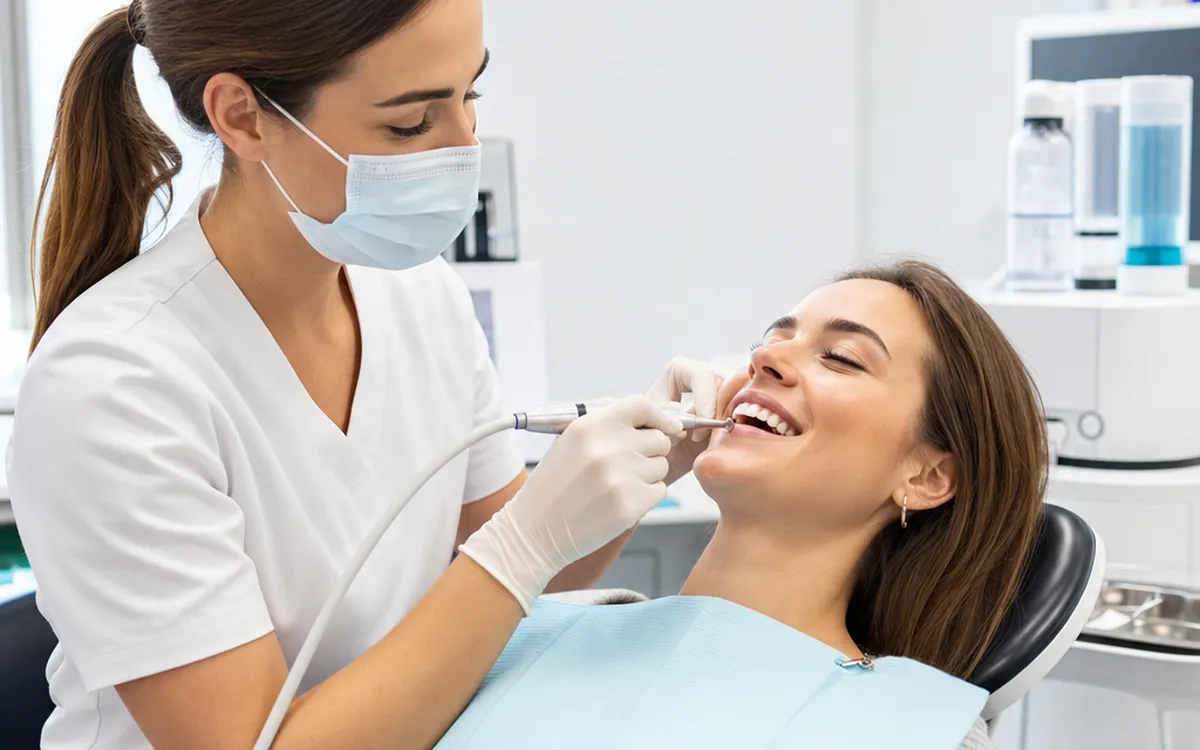
Following this routine every morning takes only a few extra minutes but delivers a lifetime of benefits. At Krystal Dental Hygiene, I provide professional dental cleaning in Toronto using Guided Biofilm Therapy, and as an independent dental hygienist practising under the Dental Hygienists Act, 1991, I can help you fine-tune your home care routine during your appointment so you get the most out of every brush.
This article was written by Krystyna Korolchuk, a registered dental hygienist and independent practice owner licensed under the Dental Hygienists Act, 1991 and regulated by the College of Dental Hygienists of Ontario (CDHO).
Want a Personalised Oral Health Routine?
Book a GBT cleaning and consultation — get expert guidance tailored to your unique oral health needs.