If the thought of a dental cleaning makes you anxious, you are not alone. Many patients associate dental cleanings with scraping, discomfort, and sensitivity. But dental care has evolved significantly, and Guided Biofilm Therapy (GBT) represents the most advanced, patient-friendly approach to professional teeth cleaning available today.
At Krystal Dental Hygiene in Toronto, GBT is the foundation of every cleaning appointment. It is a systematic, evidence-based protocol that prioritizes your comfort while delivering clinical results that surpass traditional cleaning methods. Let's explore what GBT is, how it works, and why it may change the way you think about dental visits forever.
What Is Guided Biofilm Therapy (GBT)?
Guided Biofilm Therapy is a modern, minimally invasive dental cleaning protocol developed by EMS (Electro Medical Systems) and backed by over 1,000 scientific studies. Unlike traditional cleanings that rely heavily on scraping and polishing with abrasive pastes, GBT uses warm water, gentle erythritol-based powder, and ultrasonic technology to remove plaque biofilm, stains, and tartar — all with minimal discomfort.
The word "guided" is central to understanding GBT. The protocol begins by applying a harmless coloured dye that makes plaque biofilm visible on your teeth. This disclosure step guides both you and your hygienist: you can see exactly where biofilm accumulates, and your hygienist can target those areas precisely, ensuring nothing is missed or over-treated. It is a collaborative approach that educates you about your own oral health while delivering thorough, evidence-based care.
GBT is not simply a different cleaning technique — it is a fundamentally different philosophy. Traditional cleanings focus on removing what has already built up. GBT focuses on identifying and eliminating the root cause of dental disease — plaque biofilm — in the most comfortable, least invasive way possible, while also teaching you how to prevent it from returning.
The 8-Step GBT Protocol Explained
GBT follows a carefully designed 8-step protocol that ensures thorough, safe, and comfortable cleaning every time. Here is what happens at each stage:
Step 1 — Assessment. Your hygienist examines your teeth and gums, measuring gum pocket depths and checking for signs of inflammation, bleeding, or recession. This assessment determines which type of cleaning is appropriate for you.
Step 2 — Disclosure. A safe, temporary dye is applied to your teeth, making plaque biofilm visible as a coloured stain. This step is essential: it reveals areas you may be missing during your daily oral hygiene routine and allows your hygienist to target deposits precisely.
Step 3 — Motivation & Education. Using the disclosed biofilm as a visual guide, your hygienist shows you exactly where biofilm accumulates and teaches you the most effective brushing and interdental cleaning techniques for your mouth. Diet analysis may also be conducted to identify habits contributing to biofilm buildup.
Step 4 — AIRFLOW® Max. The AIRFLOW Max device delivers a precise, warm stream of water mixed with fine erythritol powder to gently remove biofilm and stains from the tooth surface, including areas between teeth and slightly below the gumline. This step feels like a warm, jet-washed sensation — most patients find it remarkably comfortable.
Step 5 — PERIOFLOW® (when needed). For patients with gum pockets deeper than 4 mm, PERIOFLOW technology directs the warm water and erythritol powder deeper below the gumline — up to 9 mm — to decontaminate periodontal pockets. This is a gentler alternative to traditional deep cleaning methods and is particularly valuable for patients with gum disease.
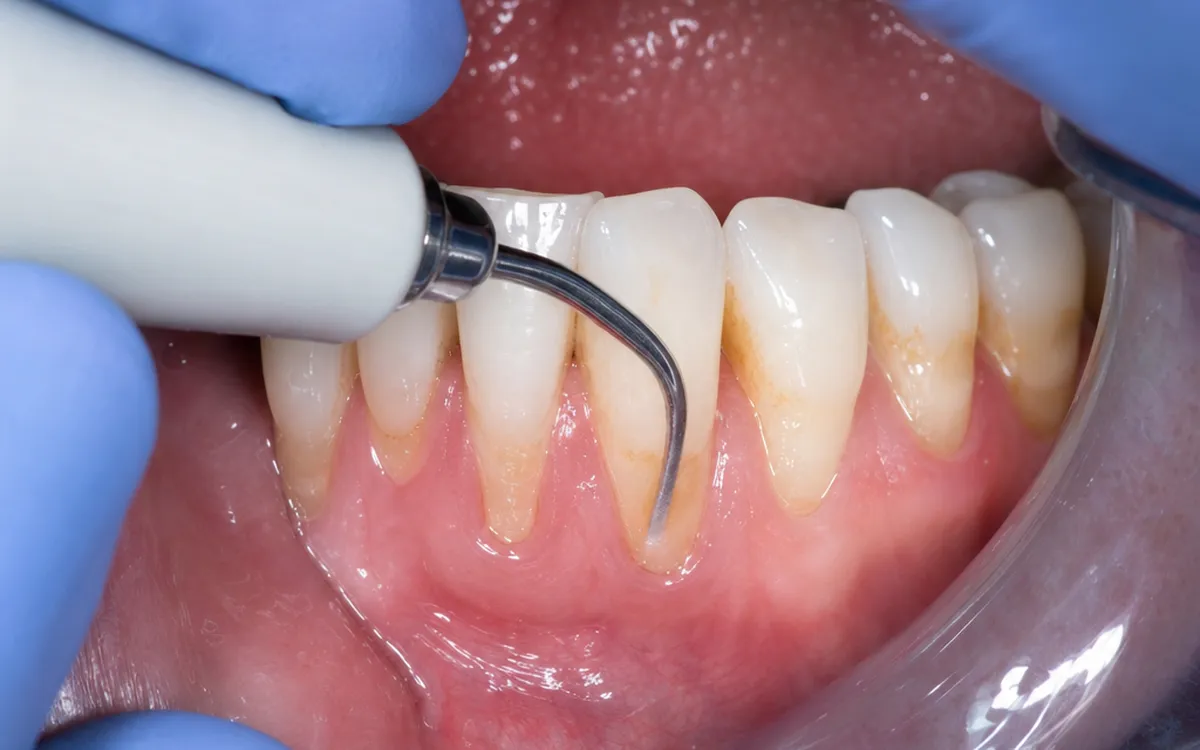
Step 6 — Piezon® PS (No-Pain Ultrasonic). Any remaining hard calcified tartar deposits are removed using the Piezon PS ultrasonic device with built-in "no-pain" technology. The ultrasonic vibration gently dislodges tartar without the scraping sensation of traditional hand instruments. Patients often report it feels like the hygienist is barely touching their teeth.
Step 7 — Re-Assessment. Your hygienist checks that all biofilm, stains, and tartar have been thoroughly removed. Any remaining spots are addressed at this stage.
Step 8 — Protection. A fluoride foam or varnish is applied to strengthen enamel, protect exposed root surfaces, and reduce sensitivity. Your hygienist provides a personalized care plan for home maintenance until your next visit.
How GBT Differs from Traditional Dental Cleaning
Traditional dental cleaning, also known as prophylaxis, typically involves hand scalers or ultrasonic instruments to remove tartar, followed by a rubber cup and abrasive paste to polish the teeth. While effective at removing visible deposits, this approach has several limitations compared to GBT.
Traditional cleaning removes roughly 50% of biofilm. Rubber cup polishing can only reach the smooth surfaces of teeth — it cannot access the spaces between teeth or below the gumline where biofilm thrives. GBT's AIRFLOW technology, by contrast, reaches 100% of the tooth crown, including interdental spaces and subgingival areas.
Traditional cleaning does not disclose biofilm. Without a visual indicator, both the patient and the hygienist are working partially blind. Biofilm in tricky areas — around receded gumlines, around orthodontic brackets, or near implant surfaces — can easily be missed. GBT's disclosure step eliminates this guesswork entirely.
Traditional polishing can be abrasive. The prophylaxis paste used in conventional cleanings contains abrasive particles that can wear down enamel and exposed dentine over time. GBT uses erythritol powder, which is minimally abrasive and safe for use on enamel, dentine, composite restorations, and even implant surfaces.
Traditional cleaning often causes discomfort. The scraping sensation, cold water spray, and vibrating ultrasonic instruments can be unpleasant, especially for patients with sensitive teeth or dental anxiety. GBT uses warm water, gentle powder, and no-pain ultrasonic technology designed specifically for patient comfort.
GBT vs Deep Cleaning: A Gentler Alternative
When gum disease is present, traditional deep cleaning (scaling and root planing) is the standard treatment. This procedure involves numbing the gums with local anaesthetic, then using hand scalers and ultrasonic instruments to remove bacterial colonies and tartar from deep within gum pockets. It typically requires multiple appointments and can cause significant post-procedure sensitivity.
GBT offers a less invasive alternative for many patients who would otherwise need deep cleaning. The PERIOFLOW component of GBT delivers warm water and erythritol powder directly into gum pockets — up to 9 mm deep — effectively disrupting biofilm and decontaminating the area without the need for anaesthetic in many cases. Because the erythritol powder is soft and the water is warm, the procedure is significantly more comfortable than traditional root planing.
This does not mean GBT replaces deep cleaning in every situation. Severe periodontitis with deep, inflamed pockets may still require traditional treatment. However, for patients in the early to moderate stages of gum disease, or for those who need ongoing supportive care after periodontal treatment, GBT provides an effective and far more comfortable option. Many patients who previously required numbing for their cleanings find that with GBT, anaesthetic is no longer necessary.
GBT also serves as an excellent long-term maintenance protocol after gum disease has been stabilized. Regular GBT appointments every three months can prevent bacterial regrowth in treated pockets, reducing the likelihood of disease recurrence and the need for further intensive treatment.
GBT for Sensitive Teeth and Receding Gums
Tooth sensitivity — that sharp, fleeting pain triggered by hot, cold, sweet, or acidic stimuli — affects millions of Canadians. The underlying cause is typically exposed dentine: the softer tissue beneath your enamel that contains thousands of microscopic channels leading directly to the tooth nerve. When enamel wears away or gums recede, these channels become open pathways for sensation.
For patients with sensitive teeth, traditional dental cleaning can be genuinely painful. Cold water sprays, vibrating instruments, and abrasive polishes can all trigger sensitivity. Many patients with dentine hypersensitivity simply avoid going to the hygienist, which allows biofilm and tartar to accumulate unchecked — making the underlying problem worse.
GBT addresses this challenge directly. The warm water used throughout the procedure is far less likely to trigger sensitivity than the cold sprays of conventional equipment. The erythritol powder is gentle enough to clean exposed dentine without causing the abrasive damage that traditional polishing pastes can inflict. The Piezon PS ultrasonic device operates with no-pain technology, meaning even patients with significant recession can have tartar removed comfortably.
Gum recession is remarkably common — research suggests that approximately 90% of people over the age of 65 have some degree of gum recession. Once gums recede, the exposed root surface (which is made of dentine, not enamel) is both more sensitive and more vulnerable to damage from aggressive cleaning. GBT's minimally invasive approach preserves the integrity of these delicate tissues while still providing thorough cleaning. The disclosure step also ensures that patients learn exactly how to clean along the receded gumline at home without causing further damage — an area that is frequently missed or avoided due to fear of pain.
For patients who have avoided dental cleanings because of sensitivity, GBT often represents the first time they have experienced a comfortable, pain-free cleaning. Many are surprised to discover that dental hygiene appointments do not have to be something they endure — they can be genuinely pleasant.
The Science Behind GBT: Why Biofilm Removal Matters
Dental biofilm — more commonly known as plaque — is the root cause of the two most prevalent diseases in the mouth: tooth decay and gum disease. Biofilm is a complex community of bacteria that forms on tooth surfaces within hours of brushing. Left undisturbed, it matures, becomes more pathogenic, and eventually calcifies into tartar (calculus), which can only be removed professionally.
The critical distinction between GBT and traditional cleaning lies in biofilm removal effectiveness. Traditional methods with rubber cup polishing remove approximately 50% of biofilm from tooth surfaces. GBT's AIRFLOW technology removes up to 100% of biofilm, including from interdental spaces and subgingival areas that conventional polishing simply cannot reach.
This difference matters because even small amounts of residual biofilm can rapidly repopulate and contribute to disease progression. Thorough biofilm removal disrupts the bacterial ecosystem that drives both caries and periodontal disease, giving your mouth a genuinely clean baseline from which to maintain health between visits.
The systemic health implications are equally important. A growing body of research links poor oral health — particularly chronic periodontal disease — to cardiovascular disease, diabetes complications, respiratory infections, and even cognitive decline. By removing biofilm more thoroughly and more comfortably, GBT supports not just your oral health but your overall well-being. When dental cleanings are comfortable and effective, patients are more likely to attend regularly, creating a positive feedback loop of prevention and health maintenance.
How Often Should You Get a GBT Cleaning?
The frequency of professional dental cleaning depends on your individual risk factors, not a one-size-fits-all schedule. Your hygienist considers your current oral health, your history of gum disease, your home care routine, lifestyle factors such as smoking, and systemic conditions like diabetes when recommending a recall interval.
For most healthy patients with good home care, a GBT cleaning every six months is typically sufficient. Patients with a history of gum disease may benefit from appointments every three to four months to prevent bacterial regrowth in previously treated pockets. Patients with higher risk factors — smokers, diabetics, those with orthodontic appliances, or those prone to heavy tartar buildup — may also need more frequent visits.
Unlike traditional polishing, GBT's minimally invasive approach means there is no limit to how often you can safely have the treatment. The erythritol powder does not damage enamel, dentine, or restorations, so even patients who attend monthly for supportive periodontal care can receive GBT without concern about cumulative wear on their teeth.
Is GBT Right for You?
GBT is suitable for virtually every patient, but it is particularly beneficial if you experience any of the following:
- Sensitive teeth — GBT's warm water and gentle powder make cleaning comfortable even with exposed dentine
- Gum recession — GBT preserves delicate root surfaces while thoroughly cleaning the receded gumline
- Dental anxiety — the quiet, pain-free experience eliminates the triggers that make traditional cleanings stressful
- Gum disease — GBT can serve as a gentler alternative or complement to traditional deep cleaning
- Dental implants, veneers, or restorations — GBT is safe for all dental surfaces, including implant components and composite materials
- Orthodontic appliances — AIRFLOW technology cleans around brackets and wires more effectively than manual methods
- Staining from coffee, tea, or wine — GBT removes surface stains as part of the cleaning process, often lightening teeth by several shades without whitening chemicals
Even if none of these apply to you, GBT still delivers a superior clean compared to traditional methods. The disclosure step alone — seeing exactly where biofilm hides on your teeth — provides valuable insight that helps you improve your home care routine between visits.
Experience GBT at Krystal Dental Hygiene in Toronto
At Krystal Dental Hygiene, we believe your dental cleaning should be something you look forward to — not something you dread. That is why every cleaning appointment at our Fort York clinic uses the Guided Biofilm Therapy protocol. As an independent dental hygienist in Toronto, I provide unhurried, personalized care in a relaxed setting where your comfort always comes first.
Whether you have sensitive teeth that have kept you away from the hygienist, or you simply want a more thorough and comfortable cleaning experience, GBT may be exactly what you have been waiting for. Our GBT dental cleaning in Toronto uses the full 8-step protocol with AIRFLOW and Piezon technology, ensuring the most comfortable and effective clean possible.
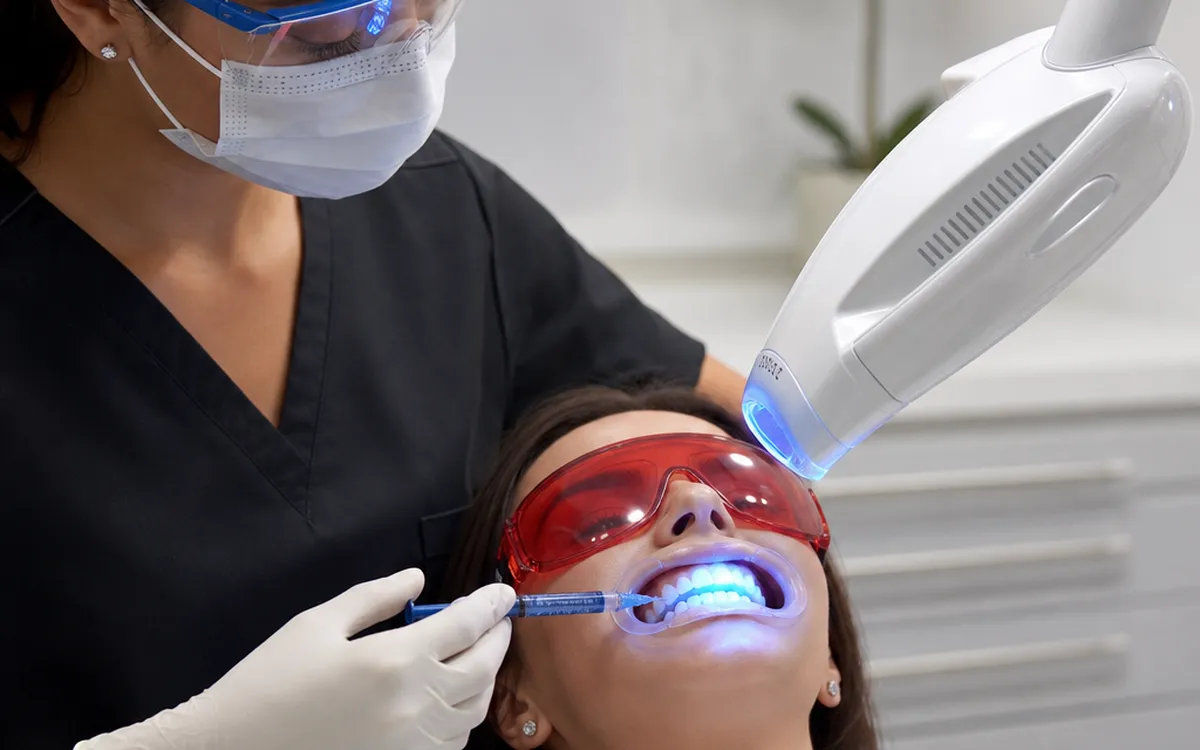
If you are considering teeth whitening, a GBT cleaning before your whitening appointment ensures the best possible results by thoroughly removing biofilm and stains so the whitening gel can be evenly absorbed. Learn more about the connection between cleaning and whitening in our teeth whitening myths article.
This article was written by Krystyna Korolchuk, a registered dental hygienist and independent practice owner licensed under the Dental Hygienists Act, 1991 and regulated by the College of Dental Hygienists of Ontario (CDHO).
Ready for a Pain-Free Dental Cleaning?
Book your Guided Biofilm Therapy appointment today and experience the difference a modern, comfortable cleaning makes.