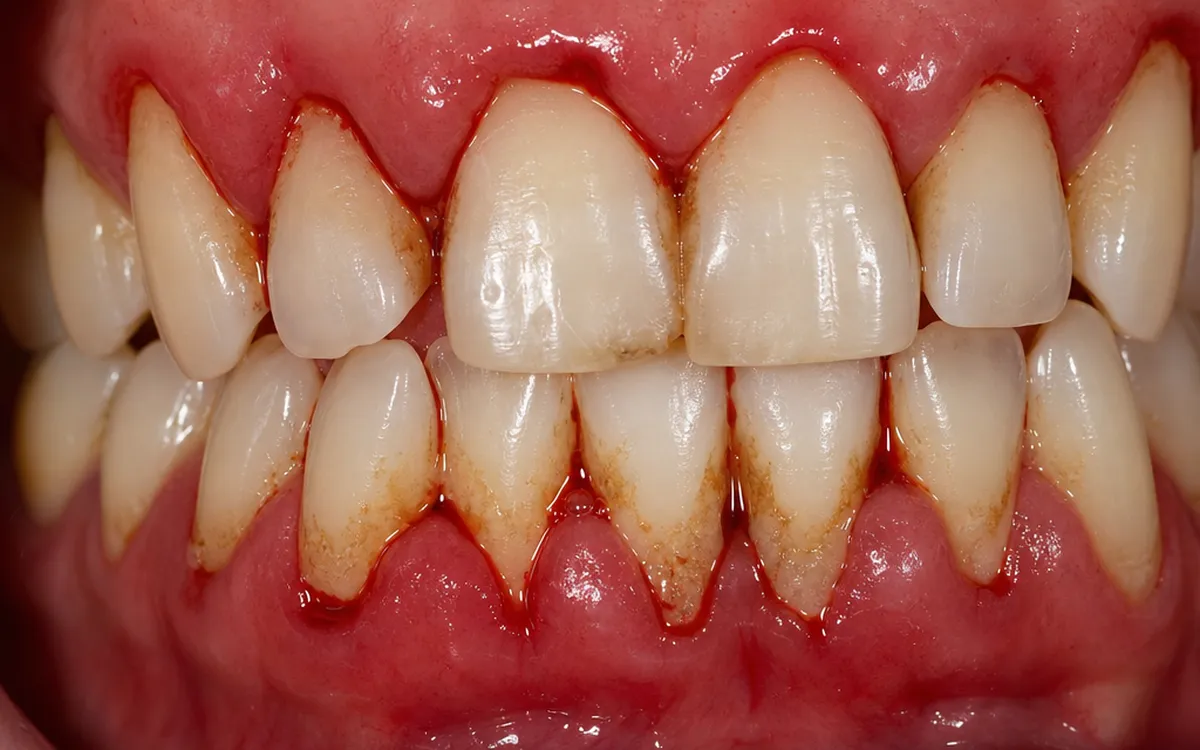
Gum recession is one of the most common dental problems I see in my practice, yet most patients do not realize they have it until they notice a tooth that looks "longer than normal" or feel a sensitive notch near the gum line. The term refers to when the gum tissue pulls back from the teeth, exposing the root surface underneath. It can be mild, moderate, or severe, and may affect a single tooth or multiple teeth at once.
What many people do not understand is that gum recession is not reversible — once the gum tissue has pulled away, it cannot grow back on its own. That makes early detection and treatment essential. The good news is that Guided Biofilm Therapy (GBT) offers a groundbreaking, gentle approach for treating patients with receding gums, helping them find and maintain a healthy status once again.
What Is Gum Recession?
The first sign of gum recession is usually tooth sensitivity — a sharp zing when you consume something hot, cold, or sweet. You may also notice that a tooth looks longer than it used to, or you might feel a small notch or indentation where the gum meets the tooth. These are all signals that the gum tissue has begun to pull back, exposing the root of the tooth.
Gum recession is remarkably common. Research suggests that approximately 90 % of people over the age of 65 have some degree of gum recession, and it can begin much earlier — even in your twenties or thirties — depending on your oral health habits and genetic predisposition. Although it is widespread, it should never be ignored, because recession tends to worsen over time if the underlying cause is not identified and addressed.
What Causes Gums to Recede?
Your gums may recede for a variety of reasons, but certain factors make you significantly more susceptible:
- Periodontal (gum) disease — the leading cause of gum recession. Bacteria in plaque biofilm infect the gum tissue, causing inflammation that destroys the attachment between gum and tooth.
- Orthodontic treatment — braces and clear aligners can move teeth in ways that thin the bone and gum overlying certain teeth, particularly if teeth are already crowded.
- Aggressive brushing — using a hard-bristled toothbrush or pressing too hard physically wears away gum tissue over time.
- Teeth grinding and clenching (bruxism) — excessive force on teeth can flex the tooth slightly, causing the enamel near the gum line to micro-fracture and the gum to recede.
- Plaque biofilm and tartar buildup — hardened calculus at the gum line irritates tissue and creates pockets where bacteria thrive.
- Smoking or chewing tobacco — restricts blood flow to the gums, impairing healing and accelerating tissue loss.
- Diabetes — poorly controlled blood sugar impairs the body's ability to fight infection, including gum infections.
- Ill-fitting dentures — partial dentures with clasps that rub against the gum can cause localized recession.
- Lip or tongue piercings — jewellery that repeatedly contacts the gum can wear it away.
- Trauma or injury — habits like "picking" at the gums or accidental injury can initiate recession.
- Genetic predisposition — some people are born with naturally thin gum tissue (gingival biotype) that is more vulnerable to recession.
- Tooth misalignment — crooked or rotated teeth can force gums out of position, leaving areas thin and exposed.
What Happens If You Ignore Gum Recession?
No matter the cause, timely diagnosis and treatment of gum recession is critical. If the underlying cause is not identified and the recession is allowed to continue, it can lead to serious oral health problems.
When gum disease drives the recession, the gum begins to pull away from the tooth, creating "pockets" where even more plaque can accumulate. Over time, these pockets deepen, gums continue to recede, and the bone supporting the tooth can begin to deteriorate. In advanced cases, teeth can become loose and may eventually be lost.
Even when gum disease is not the primary cause, exposed tooth roots are more vulnerable to decay. The tissue that makes up the root — cementum — is softer than enamel and wears away more easily. This means that an exposed root is not only sensitive, but also at higher risk of cavities and structural damage, particularly if harsh scaling techniques or abrasive polish are used to clean it.
Guided Biofilm Therapy for Receding Gums
Gum recession cannot be reversed, but treatments can keep the problem from getting worse. For mild recession, professionally cleaning the affected area can alleviate inflammation and stop the recession from progressing. For more severe cases, deep cleaning or tooth scaling and root planing may be required to remove the plaque and tartar buildup that is fuelling the problem.
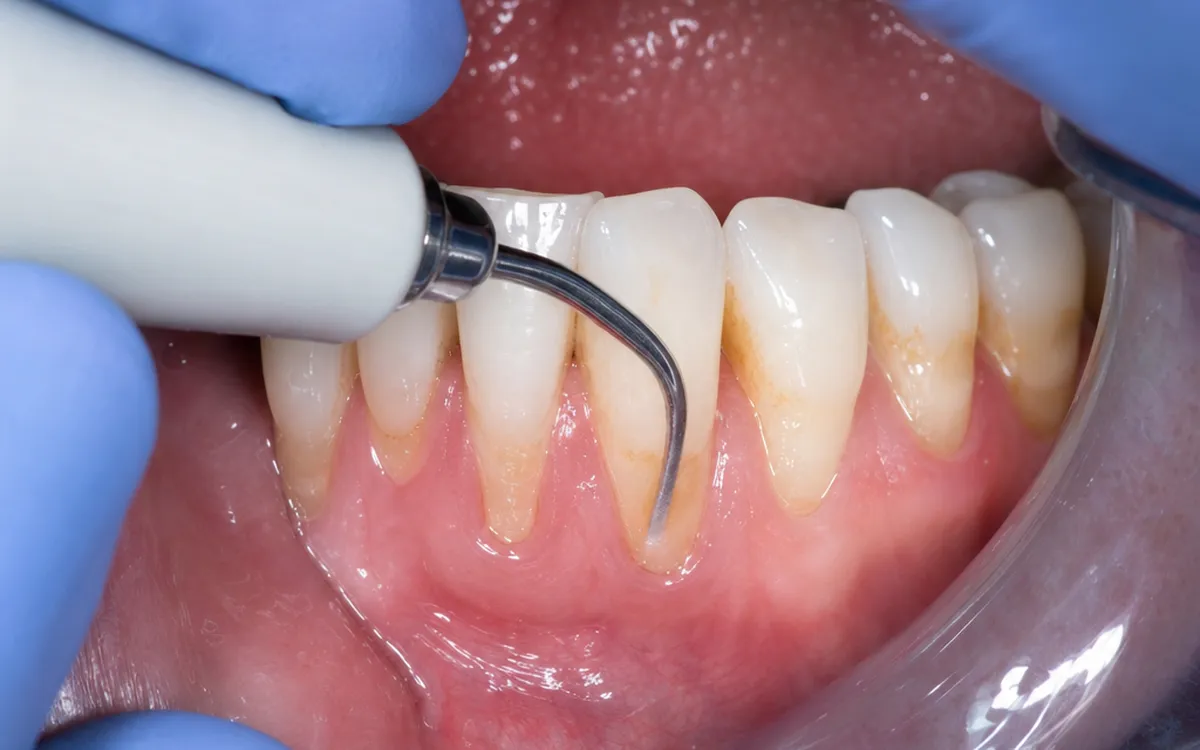
The challenge is that patients with receding gums often experience significant sensitivity during dental cleaning, because the root of the tooth is far more sensitive to temperature and pressure than enamel. Traditional scaling instruments can also be too harsh for the exposed root surface, potentially causing further damage to the already-vulnerable cementum.
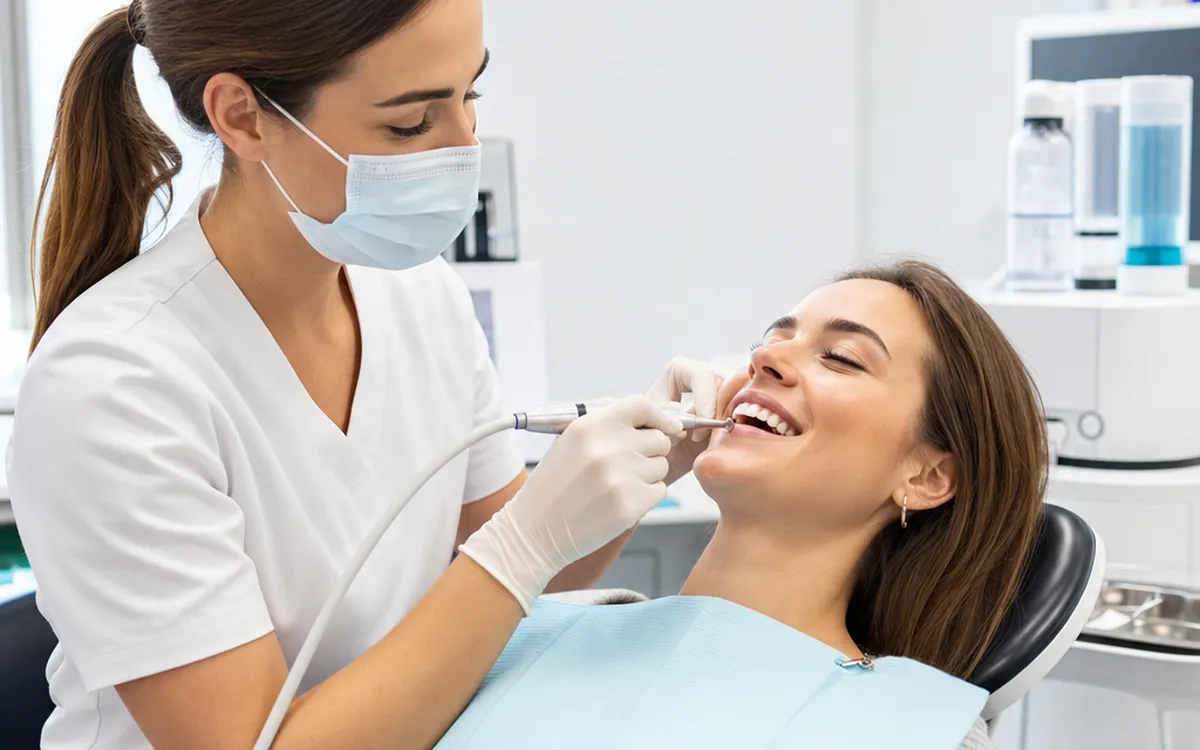
This is where Guided Biofilm Therapy transforms the experience. GBT is a warm, gentle, and effective treatment specifically designed for patients with receding gums, achieving thorough dental cleaning without the associated discomfort. Here is how the GBT protocol works for patients with recession:
Step 1 — Biofilm Disclosure. A coloured dye is applied to make plaque biofilm visible. This helps identify areas the patient may be missing during daily oral hygiene — it is very common for the receded gum line to be skipped because it sits lower than where the brush normally reaches, or because the patient is fearful of causing further damage. Patients are shown how to clean receded gums effectively without causing further trauma, because leaving plaque biofilm on the receded margin will only contribute to further problems.
Step 2 — Diet and Lifestyle Assessment. A diet analysis is carried out and lifestyle changes that could reduce the risk of further damage are identified. Addressing habits like smoking, grinding, and the intake of acidic food and beverages can all help to reduce further recession.
Step 3 — Gentle Airflow Cleaning. Thorough dental cleaning is performed using gentle AIRFLOW® technology with warm water and soft Erythritol powder. This powder works against the dental plaque biofilm, helping to break it down, while the warm water flushes away debris to effectively decontaminate the area above and below the receded gum — without scraping or mechanical pressure on the exposed root.
Step 4 — Ultrasonic Tartar Removal. An ultrasonic device with built-in "no pain" technology is used to remove hard calcified tartar deposits. The vibration-based approach is so gentle that patients often report it did not feel like the teeth were being touched at all.
Step 5 — Fluoride Protection. After cleaning is complete, a fluoride foam is applied to the teeth. This helps protect the exposed root, reduce sensitivity, and prevent decay — a critical step for patients with recession.
Preventing Further Gum Recession
Treatment alone is not enough — preventing further recession requires ongoing attention and habit changes:
- Switch to a soft-bristled toothbrush and use gentle, circular motions rather than aggressive back-and-forth scrubbing.
- Clean the receded gum line carefully. Ask your hygienist to demonstrate the correct technique for your specific recession pattern.
- Wear a night guard if you grind or clench your teeth during sleep.
- Quit smoking and avoid chewing tobacco — these habits restrict blood flow and accelerate tissue loss.
- Manage systemic conditions such as diabetes that impair your body's ability to fight infection.
- Reduce acidic foods and drinks in your diet, which can erode both enamel and exposed root tissue.
- Schedule regular professional cleanings every 3 to 6 months to remove plaque biofilm and tartar before they cause further damage.
- Address misaligned teeth with an orthodontic consultation if crowding or rotation is contributing to recession.
The Bottom Line
Gum recession is common, progressive, and irreversible — but it is also manageable with the right approach. Identifying the cause early, stopping further damage, and choosing a treatment method that protects your vulnerable root tissue are the three pillars of successful management.
Guided Biofilm Therapy has the potential to transform the oral health of patients with receding gums caused by gum disease and poor oral hygiene. Its pain-free nature makes it possible to achieve thorough cleaning even in areas that were previously too sensitive to treat, and its minimally invasive approach prevents the further gum trauma that can result from traditional scaling instruments.
At Krystal Dental Hygiene, I provide professional dental cleaning in Toronto using GBT, including gentle care for patients with gum recession. As an independent dental hygienist, I take the time to assess your recession, identify its cause, and develop a personalized plan to protect your gums and keep your teeth healthy for the long term.
This article was written by Krystyna Korolchuk, a registered dental hygienist and independent practice owner licensed under the Dental Hygienists Act, 1991 and regulated by the College of Dental Hygienists of Ontario (CDHO).
Concerned About Receding Gums?
Book a GBT cleaning and consultation — gentle, pain-free care for sensitive, receded gums.