What Is Gum Disease?
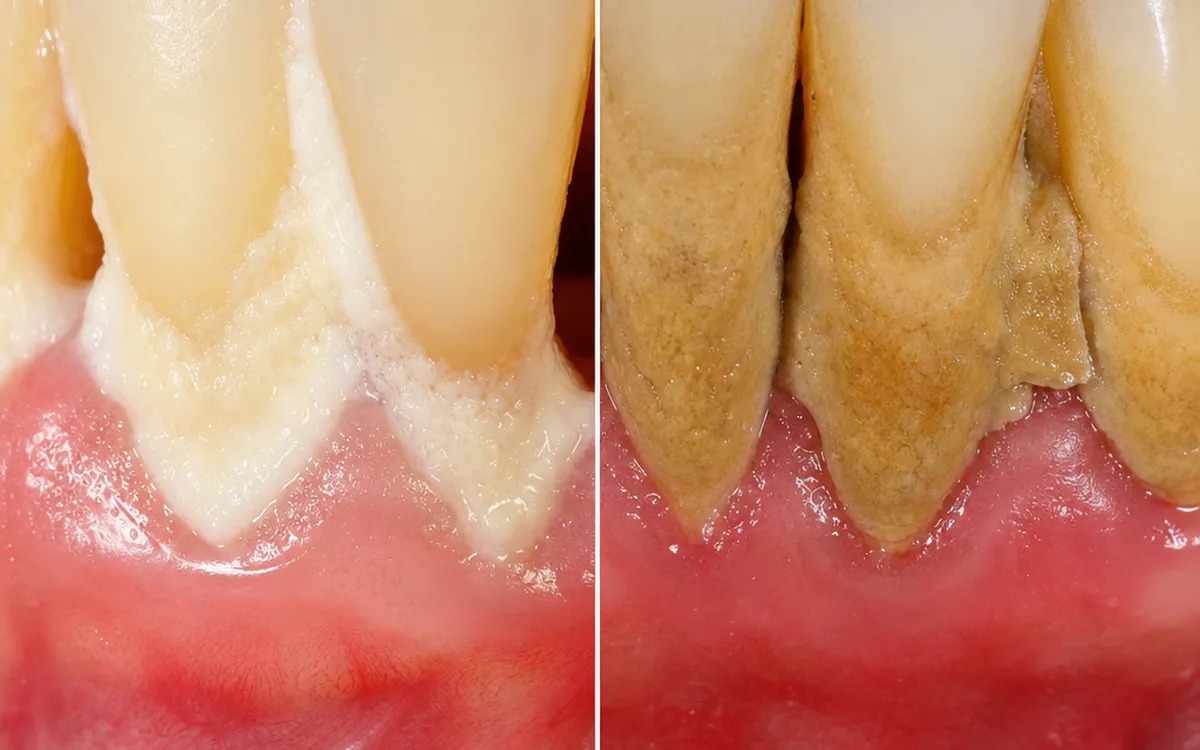
Gum disease — clinically known as periodontal disease — is a chronic inflammatory condition caused by the bacteria in dental plaque biofilm. It begins when the sticky film of bacteria that constantly forms on your teeth is not adequately removed through brushing, flossing, and professional cleanings. As the biofilm matures and calcifies into tartar (calculus), it triggers an immune response in the gum tissue that leads to inflammation, bleeding, and eventually the destruction of the bone and fibres that hold your teeth in place.
Gum disease is progressive. It does not develop overnight — it evolves in stages, starting with reversible inflammation and potentially advancing to irreversible tissue destruction if left untreated. The critical point to understand is that early-stage gum disease is completely reversible, while advanced gum disease can only be managed, not cured. This makes early detection and prevention essential.
According to the Canadian Academy of Periodontology, approximately 70% of Canadians will develop some form of gum disease in their lifetime. The condition is so prevalent precisely because its early stages produce symptoms that most people dismiss as normal — a little bleeding when brushing, mild redness along the gumline, or occasional bad breath. These are not normal; they are your body telling you that the bacterial infection is taking hold.
Gingivitis vs Periodontitis: Understanding the Stages
Gum disease progresses through two main stages. Understanding the difference is crucial because one is reversible and the other is not.
Gingivitis (Early Stage — Reversible)
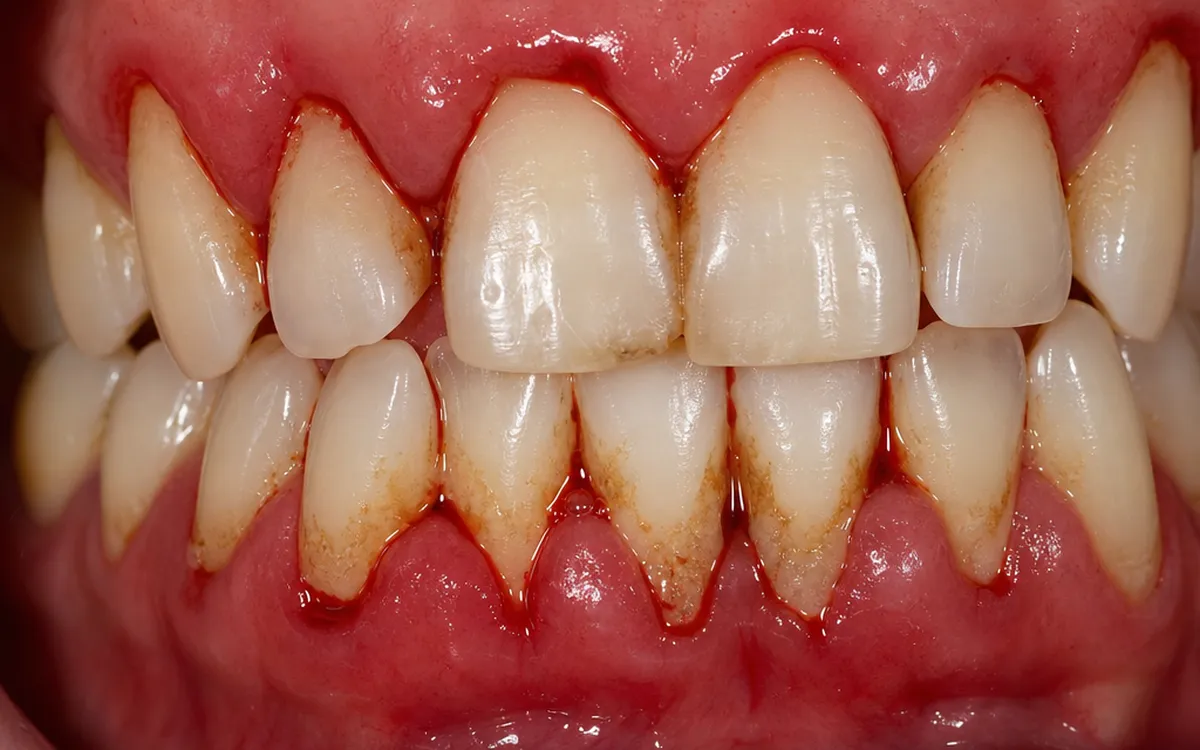
Gingivitis is the inflammation of the gums caused by plaque biofilm accumulation at the gumline. The bacteria in the biofilm produce toxins that irritate the gum tissue, causing it to become red, swollen, and prone to bleeding — especially when you brush or floss. At this stage, the infection is confined to the soft tissue; the bone and connective fibres supporting the teeth are not yet affected.
Because the damage is limited to the gums, gingivitis is fully reversible with a thorough professional cleaning and improved home care. Once the biofilm and tartar are removed, the gums can heal completely and return to their healthy pink, firm state. This is why regular professional dental cleanings are so important — they interrupt the disease process before it becomes permanent.
Periodontitis (Advanced Stage — Irreversible)
If gingivitis is left untreated, the inflammation extends deeper, destroying the periodontal ligament and alveolar bone that anchor your teeth. Pockets form between the gums and teeth where more bacteria accumulate in warm, dark, oxygen-poor environments. The body's immune response to this chronic infection actually contributes to the tissue destruction — the inflammatory mediators that fight the bacteria also break down the bone and connective tissue.
As periodontitis progresses, gums recede, teeth become loose, bite alignment shifts, and eventually teeth may be lost. The damage to bone and ligaments cannot be regenerated naturally — once it is gone, it is gone. Treatment at this stage focuses on halting disease progression, reducing pocket depth, and preserving as much tissue as possible through deep cleaning protocols, antimicrobial therapy, and in some cases surgical intervention.
Warning Signs You Should Never Ignore
Gum disease is often called a "silent" disease because it rarely causes pain in its early stages. However, your body does produce clear warning signs — if you know what to look for:
- Bleeding gums when brushing or flossing — this is the single most common and most ignored sign of early gum disease. Healthy gums do not bleed during routine oral hygiene.
- Red, swollen, or tender gums — healthy gums are firm, pale pink (or naturally pigmented), and sit snugly against the teeth. Inflamed gums appear darker red or purplish, look puffy, and feel tender to the touch.
- Persistent bad breath (halitosis) — the volatile sulphur compounds produced by periodontal bacteria cause chronic bad breath that does not resolve with brushing or mouthwash alone.
- Gum recession — if your teeth appear longer than they used to, or you feel a notch where the gum meets the tooth, the gums are pulling away from the teeth, exposing the sensitive root surface.
- Sensitivity to temperature — receded gums expose the dentine of the root, which is far more sensitive to hot and cold than enamel.
- Loose teeth or shifting bite — as bone is destroyed, teeth lose their support and may become mobile or shift position.
- Pus between the teeth and gums — a clear sign of active infection that requires immediate professional attention.
- Changes in gum colour — gums that turn red, purple, or develop dark patches may indicate inflammation, infection, or other conditions. Learn more about what causes these changes in our article on gum discoloration causes.
How Gum Disease Affects Your Overall Health
The significance of gum disease extends far beyond your mouth. A growing body of research has established links between chronic periodontal inflammation and serious systemic health conditions:
- Cardiovascular disease: The bacteria and inflammatory mediators from infected gums can enter the bloodstream, contributing to arterial plaque formation and increasing the risk of heart attack and stroke. Studies show that people with periodontitis have a significantly higher risk of cardiovascular events than those with healthy gums.
- Diabetes: The relationship between gum disease and diabetes is bidirectional. Periodontitis makes it harder to control blood sugar levels, while diabetes increases susceptibility to gum infections. Treating gum disease has been shown to improve glycaemic control in diabetic patients.
- Respiratory health: Bacteria from the mouth can be aspirated into the lungs, particularly in elderly or immunocompromised individuals, contributing to pneumonia and other respiratory infections.
- Pregnancy complications: Hormonal changes during pregnancy increase gum sensitivity to plaque, making pregnant women more susceptible to gingivitis. Research suggests that untreated periodontitis may be associated with preterm birth and low birth weight.
- Cognitive decline: Emerging research has found associations between chronic periodontitis and increased risk of cognitive decline, with oral bacteria detected in the brain tissue of Alzheimer's patients.
The underlying mechanism connecting oral and systemic health is inflammation. Chronic gum infection keeps the body in a constant state of immune activation, and the inflammatory chemicals produced do not stay confined to the mouth — they travel throughout the body, contributing to disease processes in other organ systems.
Gum Recession: A Common Consequence
Gum recession — where the gum tissue pulls away from the tooth, exposing the root — is both a sign and a consequence of gum disease. It is remarkably common: approximately 90% of people over 65 have some degree of gum recession. The first sign is often tooth sensitivity, or the appearance that a tooth looks longer than it used to.
Recession can be caused by gum disease itself, but other factors also contribute: aggressive brushing, orthodontic treatment, grinding, tobacco use, and genetic predisposition with thin gum tissue. The critical point is that gum recession cannot be reversed naturally — once the tissue has pulled back, it will not grow back on its own. Treatment focuses on preventing further recession and protecting the exposed root surface from decay and sensitivity.
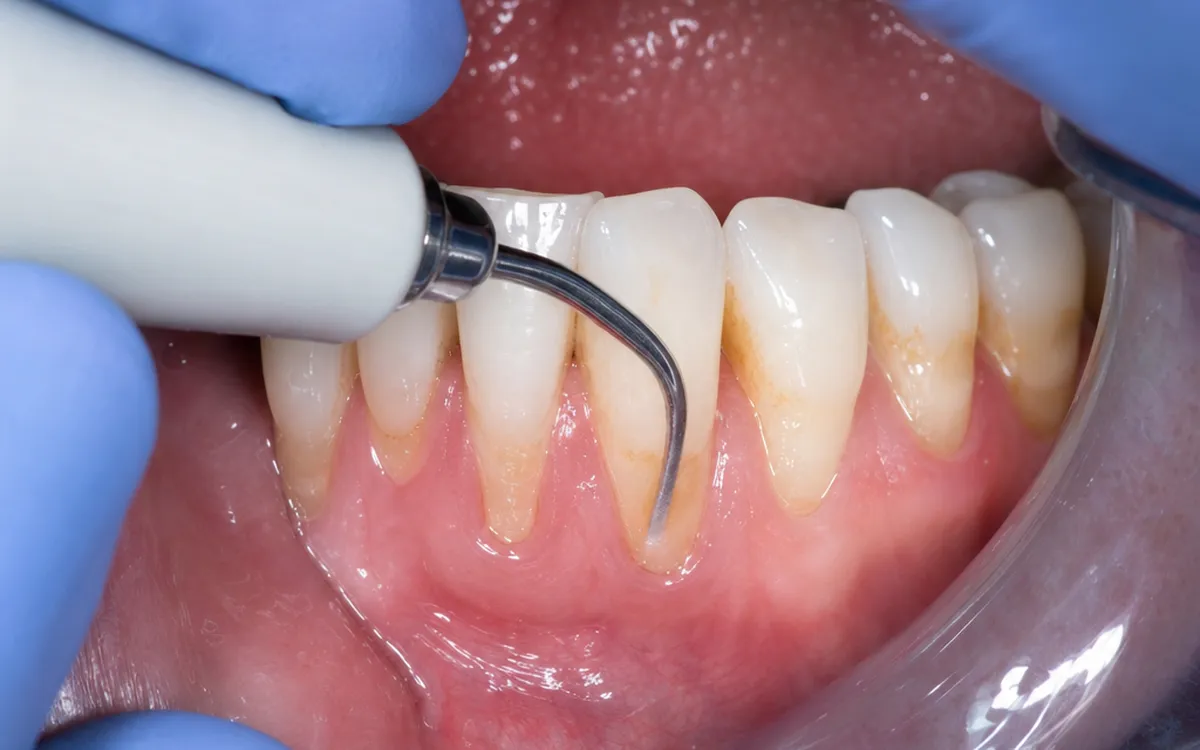
For patients with receded gums, professional cleaning requires particular care. The exposed root surface (dentine) is softer and more sensitive than enamel, and traditional scaling with metal instruments can cause micro-scratches and discomfort. This is where Guided Biofilm Therapy offers a significant advantage — its warm AIRFLOW technology with soft erythritol powder cleans the exposed root gently without the abrasion and discomfort associated with traditional methods.
Prevention: Your Daily Defence Against Gum Disease
Because gum disease is caused by plaque biofilm that forms constantly, prevention is a daily commitment. Here is an evidence-based prevention routine that dramatically reduces your risk:
- Clean between your teeth daily. Interdental cleaning — with floss, interdental brushes, or water flossers — removes the biofilm from the spaces between teeth where your toothbrush cannot reach. This is where gum disease most often begins. For technique tips, see our guide on proper flossing technique.
- Brush thoroughly twice a day. Use a soft-bristled toothbrush (electric models are particularly effective) with fluoride toothpaste. Angle the brush at 45 degrees toward the gumline and use gentle circular motions for a full two minutes. After brushing, spit but do not rinse — leaving fluoride residue on the teeth maximises its protective effect.
- Understand the plaque-to-tartar timeline. Plaque begins forming hours after cleaning. If left undisturbed, it calcifies into tartar within 24 to 72 hours — and once tartar forms, only a professional can remove it. Daily disruption of the biofilm is your strongest defence. Learn more in our article on plaque vs tartar differences.
- Limit sugars and acidic foods. Bacteria in the biofilm metabolise sugars to produce acid that attacks enamel and irritates gums. Reducing sugar intake starves the bacteria of their fuel source.
- Quit smoking. Tobacco use is one of the most significant risk factors for gum disease. Smoking impairs blood flow to the gums, reduces the immune response, and masks the visible signs of inflammation, making gum disease harder to detect until it is advanced.
- Stay hydrated. Adequate saliva production naturally buffers acids and washes away food particles. Dry mouth — caused by medications, mouth breathing, or dehydration — significantly increases biofilm accumulation.
- Schedule regular professional cleanings. No matter how meticulous your home care, some biofilm will inevitably be missed and calcify into tartar. Professional cleanings at intervals recommended by your dental hygienist — typically every three to six months — are the only way to remove tartar and disrupt the plaque-tartar-disease cycle.
Professional Cleanings: How GBT and PERIOFLOW Treat Gum Disease Gently
Traditional gum disease treatment typically involves scaling and root planing — instruments are inserted into the gum pockets to mechanically scrape away biofilm and calculus from the root surface. This approach is effective but often requires local anaesthetic, can cause post-treatment discomfort, and may take multiple visits. Many patients avoid or delay treatment because of anxiety about the pain, which allows the disease to progress unchecked.
Guided Biofilm Therapy represents a fundamentally different approach to treating and preventing gum disease — one that prioritises both effectiveness and patient comfort:
How GBT Addresses Gum Disease
- Disclosure step reveals every trace of biofilm. GBT begins by applying a harmless dye that makes plaque visible on the teeth and gums. This means no biofilm is missed — including the areas along the gumline and between teeth where gum disease starts. This visual feedback also helps you improve your home technique.
- AIRFLOW removes 100% of biofilm gently. Unlike traditional polishing that reaches only about 50% of the tooth surface, AIRFLOW technology delivers warm water and soft erythritol powder to flush biofilm from all surfaces — including between teeth and along the gumline. The warm water and soft powder make the process remarkably comfortable, even for patients with inflamed, sensitive gums.
- PERIOFLOW treats deep pockets without anaesthetic. For patients with periodontal pockets up to 9 mm deep, the PERIOFLOW attachment delivers the warm water and erythritol powder directly into the pocket, decontaminating the root surface and flushing out bacteria without the need for scraping instruments or local anaesthetic in most cases. This makes GBT a gentler alternative or complement to traditional deep cleaning.
- Piezon ultrasonic removes tartar with no-pain technology. Any remaining hard calculus deposits are removed with the Piezon device, which uses ultrasonic vibration with built-in no-pain technology. Patients often report it feels like the instrument is barely touching the tooth.
- Fluoride protection strengthens exposed roots. After the cleaning is complete, a fluoride foam is applied to protect the teeth — particularly important for patients with gum recession, where the exposed root dentine is more vulnerable to decay.
Take Action: Protect Your Gums Today
Gum disease does not wait, and neither should you. Whether you have noticed bleeding when you brush, are concerned about gum recession, or simply want to stay ahead of disease with preventive care, the most important step you can take is to schedule a professional assessment.
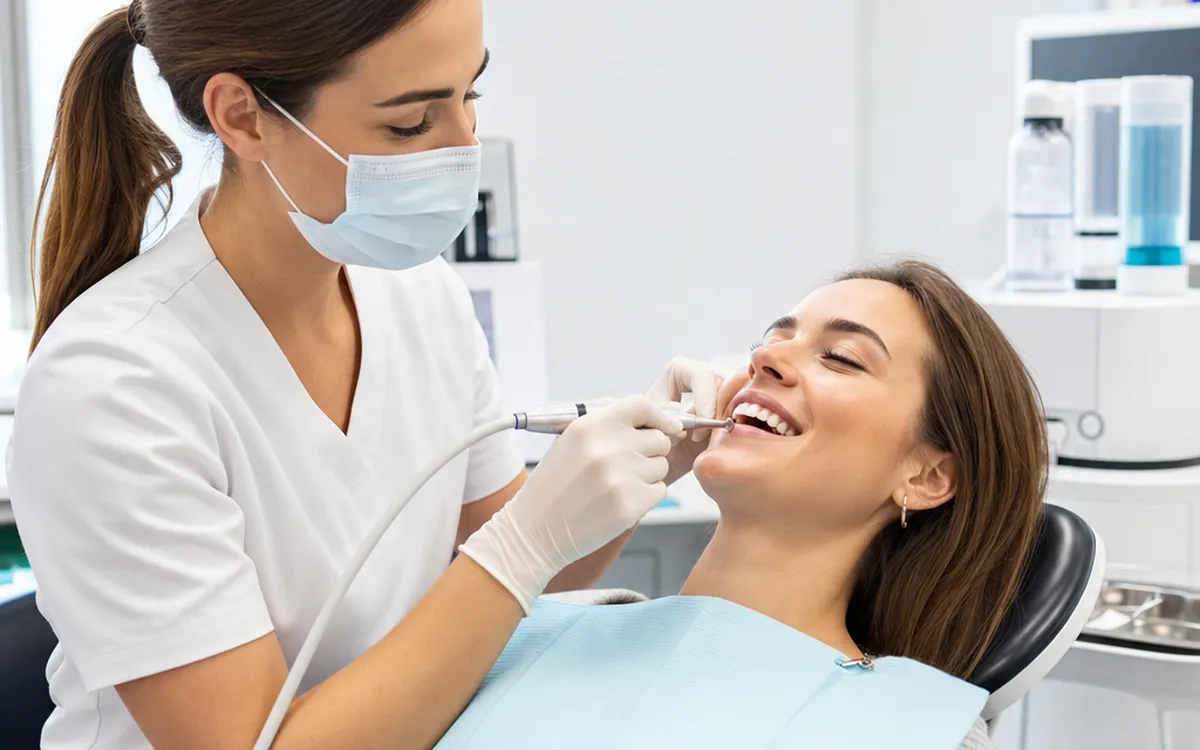
At Krystal Dental Hygiene, every appointment begins with a thorough gum health evaluation. As an independent dental hygienist in Toronto practising under the Dental Hygienists Act, 1991, I use the GBT protocol to ensure that every trace of biofilm is identified and removed — gently, thoroughly, and without the discomfort that keeps many patients from seeking the care they need.
This article was written by Krystyna Korolchuk, a registered dental hygienist and independent practice owner licensed under the Dental Hygienists Act, 1991 and regulated by the College of Dental Hygienists of Ontario (CDHO).
Concerned About Your Gum Health?
Book a GBT cleaning at Krystal Dental Hygiene. We will assess your gum health, remove every trace of biofilm, and create a personalised prevention plan to keep your gums healthy for the long term.