13 Causes of Gum Discoloration
Gum discolouration is more common than most people realise. The causes range from completely benign natural pigmentation to conditions requiring prompt medical attention. Here are the 13 most common causes:
1. Natural Melanin Pigmentation
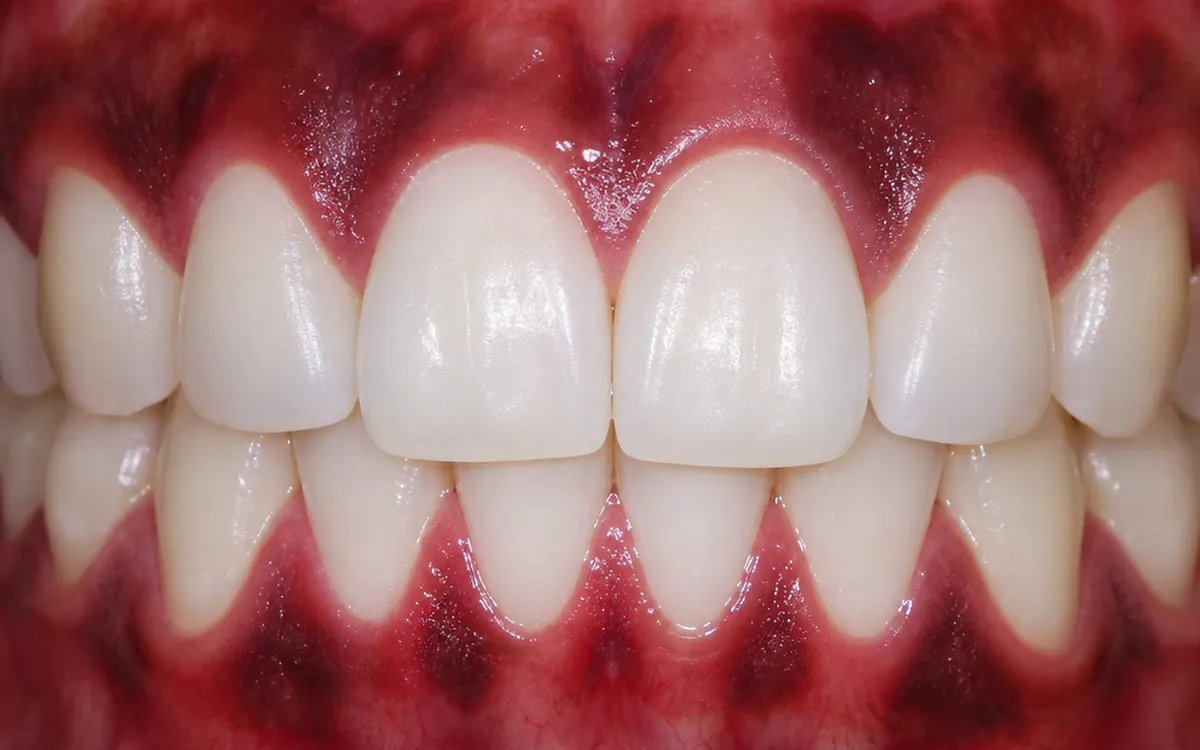
Melanin is the substance that gives skin, hair, and eyes their colour — and it is present in gum tissue as well. People with more melanin naturally have darker gums, ranging from medium brown to dark brown or black. If your gums have always been dark, this is your normal and there is no cause for concern. What matters is any change from your baseline colour.
2. Poor Oral Hygiene
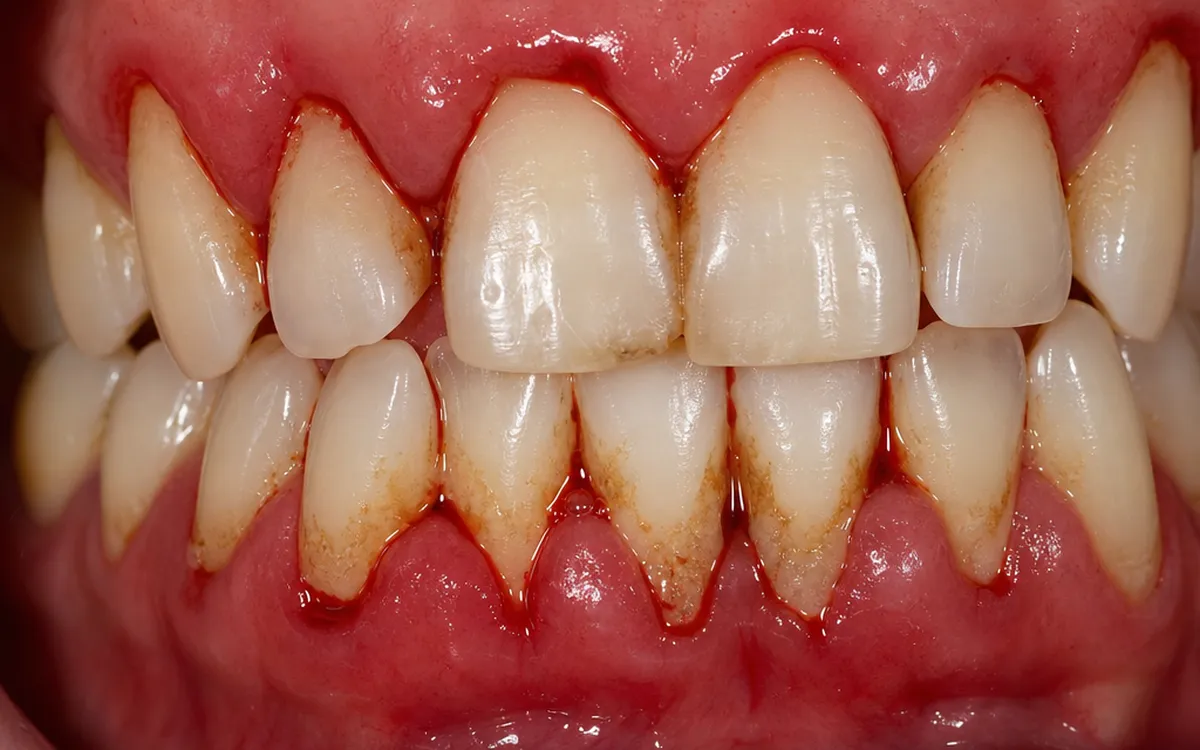
Inadequate brushing and flossing allows plaque biofilm to accumulate at the gumline, triggering an inflammatory response. Inflamed gums appear red or purplish — a visible sign that bacteria are attacking the tissue. This is one of the most common and most treatable causes of gum colour change. Improved home care and professional cleaning can restore healthy colour.
3. Smoking and Tobacco
Smoking and smokeless tobacco cause brown and blackish discolouration, typically in areas where the product is held. Nicotine stimulates melanin-producing cells, a condition called smoker's melanosis. The patches appear most commonly on gums and lips. Stopping smoking will gradually reduce the discolouration and significantly lower your risk of oral cancer.
4. Food and Drink
Tea (particularly green tea), red wine, soy sauce, and brightly coloured sweets can temporarily stain gum tissue. The good news: food-related gum staining is short-lived and typically resolves within 24 hours once the source is removed. Gentle gum brushing can help accelerate the clearing.
5. Amalgam Tattoo
When amalgam (metal) fillings are placed or removed, tiny particles of metal can escape into the surrounding tissue, creating a permanent bluish-grey spot known as an amalgam tattoo. It is harmless and poses no health risk, though the appearance may be cosmetically concerning. The discolouration is usually permanent but may fade slightly over time.
6. Medications
Certain medications used to treat acne, cancer, malaria, psychiatric conditions, and infections such as chlamydia can cause gum pigmentation changes, including patches of black gums. This is an uncommon side effect, but anyone who notices it should speak with their prescribing physician, as alternative medications may be available.
7. Pregnancy
Elevated oestrogen and progesterone during pregnancy make gums more sensitive to plaque biofilm, increasing the risk of pregnancy gingivitis. Inflamed gums may appear red or purple, or a localised red or purple swelling called a pregnancy epulis may develop. These changes typically resolve after pregnancy with good oral hygiene and regular professional care.
8. Bruising and Trauma
Gums can bruise just like any other tissue. Falls, impacts, eating sharp-edged foods, or overzealous brushing can cause temporary discolouration ranging from dark red to brown or black. Gum bruises typically heal on their own without treatment, though gentle oral hygiene and soft diet will help during recovery.
9. Gum Freckles (Melanotic Macules)
Yes, freckles can appear on your gums. Melanotic macules are harmless spots that look like freckles on the gum tissue. Some people are born with them; others develop them later. They rarely require treatment, but a doctor may biopsy if their shape, colour, or size changes.
10. Teething (Children)
In children, gum discolouration is common during teething. As a tooth prepares to erupt, a fluid-filled cyst can form on the gums. If blood mixes with the fluid, the area can appear dark purple or even black. These cysts resolve on their own once the tooth emerges and are not a cause for concern.
11. Medical Conditions
Systemic conditions such as Addison's disease and Peutz-Jeghers syndrome can cause hyperpigmentation of the gums. These conditions require medical attention and diagnosis by a physician. Anyone experiencing rapid or unexplained gum colour changes should seek medical evaluation.
12. Gum Disease (Dental Disease)
Inflammation from gum disease causes red or purplish colour changes, while severe gum infections such as ANUG (acute necrotising ulcerative gingivitis, also known as trench mouth) cause black or grey discolouration from layers of dead tissue. This requires professional cleaning and possibly antibiotic therapy. For a deeper understanding of how gum disease develops and progresses, see our guide on gum disease signs and prevention.
13. Oral Cancer
Oral cancer can present as a localised ulcer or black spot on the gums. Heavy alcohol consumption and smoking are the biggest risk factors. If you notice a persistent spot, ulcer, or colour change that does not resolve within two weeks, contact your dentist or doctor immediately. Regular dental check-ups are essential for early detection.
When to Worry About Gum Colour Changes
The key distinction is between colour that has always been there and colour that has changed. Natural melanin pigmentation is present from birth and remains stable — it is your normal. The following signs warrant professional evaluation:
- Sudden or rapid colour change — gums that darken, redden, or develop spots over a short period, without an obvious cause like food staining.
- Localised dark or black patches — especially if they appear suddenly or grow in size.
- Red or purple gums that bleed easily — the hallmark of gingivitis and early gum disease.
- Grey or black tissue — may indicate necrotising infection requiring urgent care.
- Any sore, ulcer, or spot that persists beyond two weeks — this requires evaluation to rule out oral cancer.
- Gum discolouration accompanied by pain, swelling, or discharge — signs of active infection.
If you are uncertain whether a colour change is significant, the safest approach is always to have it evaluated by a dental professional. Early assessment provides either reassurance or timely treatment — either outcome is valuable.
Is It Gum Disease? How Inflammation Changes Gum Colour
Among the 13 causes, gum disease is one of the most common and most treatable reasons for gum colour change. Here is how the disease process alters the appearance of your gums:
Healthy gums are firm, stippled (like an orange peel), and pale pink (or your natural pigmented colour). When plaque biofilm accumulates and triggers gingivitis, the body's inflammatory response increases blood flow to the area, causing the gums to appear darker red or purplish. The tissue becomes swollen and loses its stippled texture, appearing smooth and puffy instead. Bleeding during brushing is the most reliable sign that inflammation — not just pigmentation — is the cause.
As gum disease advances to periodontitis, the chronic inflammation can cause gums to recede, exposing darker root surfaces. In severe cases, necrotising infections can cause grey or black discolouration of dead tissue. The critical distinction: inflammatory colour changes affect the tissue texture and behaviour (swelling, bleeding, tenderness), while benign pigmentation does not change the tissue's texture or cause symptoms.
How GBT Professional Cleaning Restores Gum Health and Colour
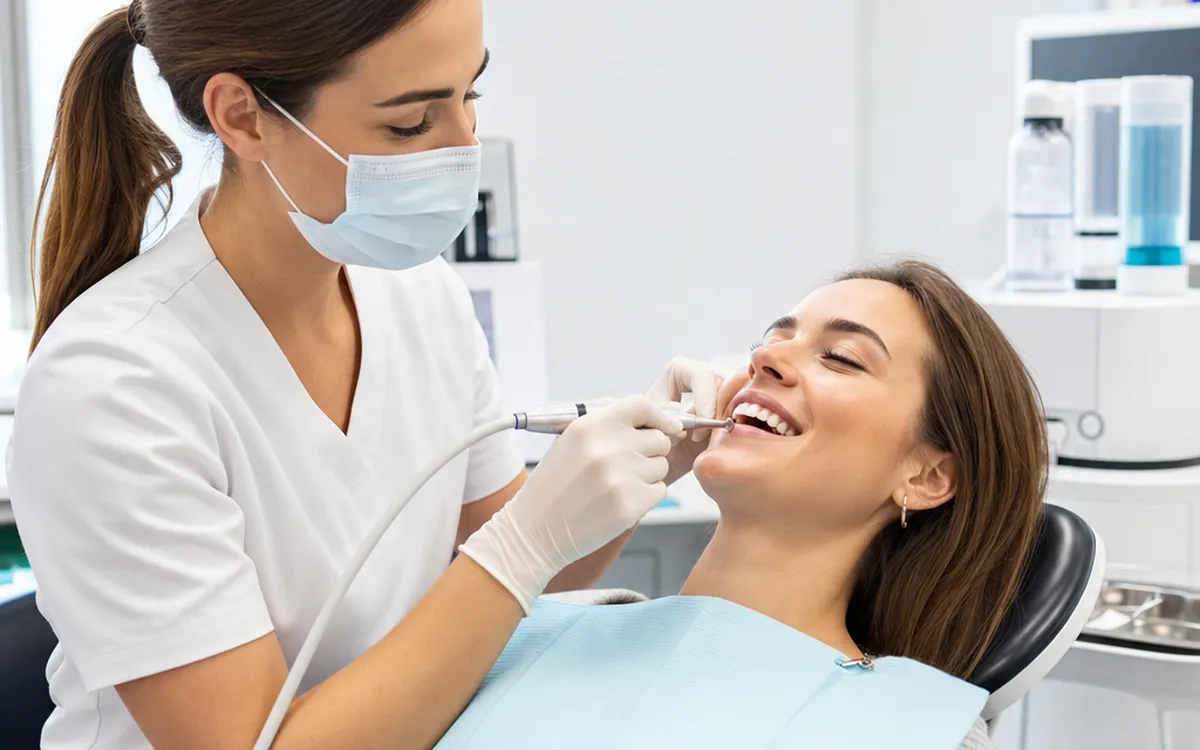
When gum discolouration is caused by inflammation from plaque biofilm and early gum disease, professional cleaning is the most effective first step toward restoring healthy gum colour. Guided Biofilm Therapy (GBT) is particularly well-suited for this purpose:
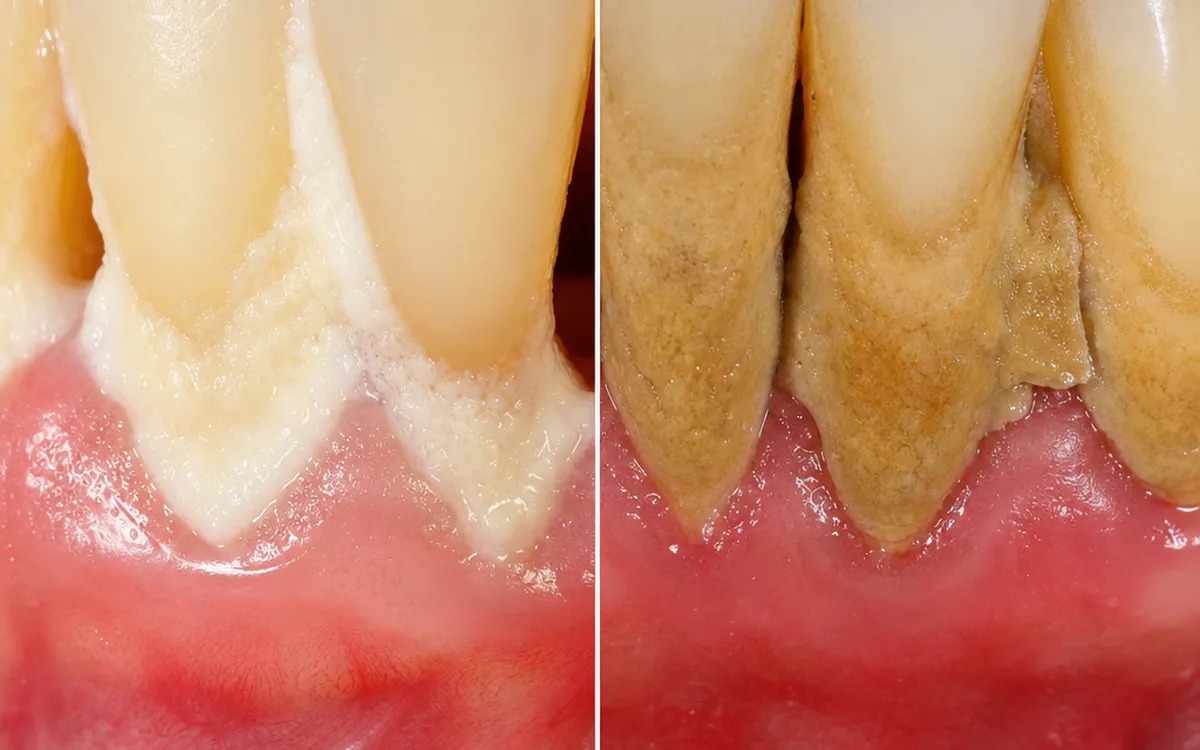
- Disclosure makes every trace of biofilm visible. The GBT protocol begins with a harmless dye that reveals exactly where plaque has accumulated — including along the gumline where inflammation begins. This ensures nothing is missed during cleaning and helps you improve your technique at home.
- AIRFLOW removes biofilm gently from all surfaces. Unlike traditional polishing that reaches only about 50% of the tooth surface, AIRFLOW technology uses warm water and soft erythritol powder to flush biofilm from between teeth, along the gumline, and into shallow pockets — all the areas where inflammation-causing bacteria hide.
- Piezon removes tartar with no-pain ultrasonic technology. Any hardened calculus that perpetuates gum inflammation is gently removed without the scraping sensation of traditional instruments.
- Fluoride treatment protects enamel and reduces sensitivity. After cleaning, a fluoride application strengthens enamel and helps protect exposed root surfaces.
By eliminating the bacterial cause of inflammation, GBT allows the gum tissue to heal and return to its healthy colour — typically within days to weeks after treatment, depending on the severity of the inflammation. GBT also provides personalised oral hygiene instruction and lifestyle advice aimed at achieving and maintaining optimal gum health long-term.
For more on the GBT protocol and how it differs from traditional cleaning, visit our complete guide on Guided Biofilm Therapy.
Treatment Options for Gum Discoloration
Treatment depends entirely on the underlying cause. Here is a summary of the appropriate responses for each category:
Inflammation-Related Discoloration (Most Common)
Professional GBT cleaning to remove biofilm and tartar, combined with improved home care. In most cases, gums return to their healthy colour once the inflammation resolves. If the disease has progressed to periodontitis, deeper cleaning with PERIOFLOW technology or referral for specialist care may be needed.
Tobacco-Related Discoloration
Cessation of smoking or tobacco use is the primary treatment. Smoker's melanosis typically fades gradually after quitting. Professional cleaning can remove surface staining, but the pigmentation will persist if tobacco use continues.
Cosmetic Concerns (Natural Pigmentation)
For individuals who are self-conscious about naturally dark gums, cosmetic options such as gum bleaching and laser depigmentation are available. These procedures remove or reduce melanin pigmentation to lighten the gum colour. However, it is important to know that pigmentation often returns over time, and the procedure may need to be repeated. These are elective cosmetic procedures performed for aesthetic reasons only.
Medical Conditions
Any gum discolouration associated with systemic medical conditions — such as Addison's disease or medication side effects — requires medical evaluation and treatment of the underlying condition, not just dental intervention.
Suspicious Lesions
Any persistent ulcer, spot, or colour change that does not resolve within two weeks requires biopsy or referral to rule out oral cancer. Early detection dramatically improves outcomes.
Protect Your Gums: Next Steps
If you have noticed a change in your gum colour — whether it is redness, darkening, or the appearance of spots — the most important step is to have it evaluated by a dental professional. In most cases, the cause is inflammation from plaque biofilm that can be effectively treated with professional cleaning and improved home care.
At Krystal Dental Hygiene, every appointment includes a thorough assessment of your gum health. As an independent dental hygienist in Toronto, I use the GBT protocol to gently and thoroughly remove the biofilm and tartar that cause gum inflammation — restoring healthy gum colour and helping you maintain it long-term.
This article was written by Krystyna Korolchuk, a registered dental hygienist and independent practice owner licensed under the Dental Hygienists Act, 1991 and regulated by the College of Dental Hygienists of Ontario (CDHO).
Concerned About Your Gum Colour?
Book a GBT cleaning and gum health assessment at Krystal Dental Hygiene. We will identify the cause, provide effective treatment, and help you achieve the healthiest gums possible.