What Is an Independent Dental Hygienist?
An independent dental hygienist is a registered dental hygienist (RDH) who operates their own practice — separate from a traditional dental office. Rather than working under a dentist's supervision, an independent hygienist holds a self-initiating practice designation from the College of Dental Hygienists of Ontario (CDHO), allowing them to assess, treat, and manage patients' oral health directly.
This model is not a loophole or a lesser alternative. Independent hygienists complete the same rigorous education, pass the same national board exams, and maintain the same continuing-competency requirements as hygienists employed in dental offices. The difference lies in the practice structure — and the benefits that structure passes on to you.
In Ontario, the independent hygiene model has been legally recognized since 2007, when amendments to the Regulated Health Professions Act expanded the scope of practice for dental hygienists. Today, patients across the province — particularly in Toronto — are discovering that an independent hygienist can deliver the same professional cleaning, preventive care, and oral-health guidance they expect, often with greater convenience and at a lower cost.
The Dental Hygienists Act, 1991: Your Right to Choose
The Dental Hygienists Act, 1991 is the provincial legislation that governs the profession of dental hygiene in Ontario. It defines the scope of practice, establishes the CDHO as the regulatory body, and — crucially — sets out the conditions under which a dental hygienist may practice independently.
Under this Act, a dental hygienist who has met the CDHO's requirements for a self-initiating practice may provide dental hygiene services without an order from a dentist. This means you do not need a dentist's referral to book a cleaning, receive preventive care, or get oral-health advice from an independent hygienist.
Before this legislative change, patients were effectively required to see a dentist first, even if all they needed was a routine cleaning. The Dental Hygienists Act, 1991 removed that barrier, recognizing that dental hygienists are trained professionals fully capable of determining whether a patient's oral-health needs fall within their scope or require a dental referral.
This is not just a technicality — it is a matter of patient autonomy. You have the legal right to choose where and from whom you receive preventive oral-health care. For many Torontonians, that choice is an independent dental hygienist.
Benefits of Seeing an Independent Dental Hygienist
Lower Cost, Transparent Pricing
One of the most immediate advantages is cost. A traditional dental office carries significant overhead — the facility, the dentist's compensation, administrative staff, and equipment for procedures you may never need. An independent hygiene practice strips away that overhead, focusing exclusively on preventive care. The result is typically a lower fee for the same professional cleaning, with no surprise upcharges for services you didn't request.
At Krystal Dental Hygiene, for example, you know exactly what you're paying for before you sit in the chair. There are no hidden fees, no pressure to accept cosmetic treatments you didn't come in for, and no bundled billing that conflates hygiene services with restorative work.
Flexible Scheduling
Independent practices often offer more flexible hours, including evenings and weekends, because they aren't constrained by a dentist's schedule. If you work full-time or have family commitments during standard business hours, an independent hygienist can often accommodate you without requiring you to take time off work.
Personalized, Unhurried Care
In a busy dental office, hygiene appointments are sometimes compressed to maximize patient turnover. An independent hygienist sets their own schedule, which means more time for a thorough cleaning, detailed oral-hygiene instruction, diet analysis, and genuine conversation about your concerns. You are not a number on a production sheet — you are a patient whose long-term oral health matters.
Focus on Prevention, Not Upselling
A traditional dental office generates revenue from restorative procedures — fillings, crowns, root canals. There is an inherent financial incentive to find problems. An independent hygienist, by contrast, is invested in keeping your mouth healthy so that you never need those expensive treatments. The business model aligns with your best interest: prevent disease, reduce costs, and keep you smiling.
Direct Access to Your Hygienist
When you have a question about a sensitive tooth, a bleeding gum, or the right flossing technique, you can reach out directly to your hygienist. There is no front-desk gatekeeper, no "the dentist will call you back next week." Independent practices are smaller, more accessible, and more responsive to patient communication.
Comfortable, Spa-Like Environment
Many independent hygiene practices, including Krystal Dental Hygiene, have designed their clinics around patient comfort. Without the clinical, high-volume feel of a traditional dental office, the experience is calmer, quieter, and genuinely more pleasant. For patients with dental anxiety, this environment can make the difference between avoiding care and showing up regularly.
What Services Can an Independent Hygienist Provide?
Ontario's scope of practice for dental hygienists is broader than many patients realize. Under the Dental Hygienists Act, 1991 and CDHO regulations, an independent dental hygienist can provide the following services:
- Comprehensive oral assessments — examination of teeth, gums, and soft tissues to identify disease, decay, or abnormalities
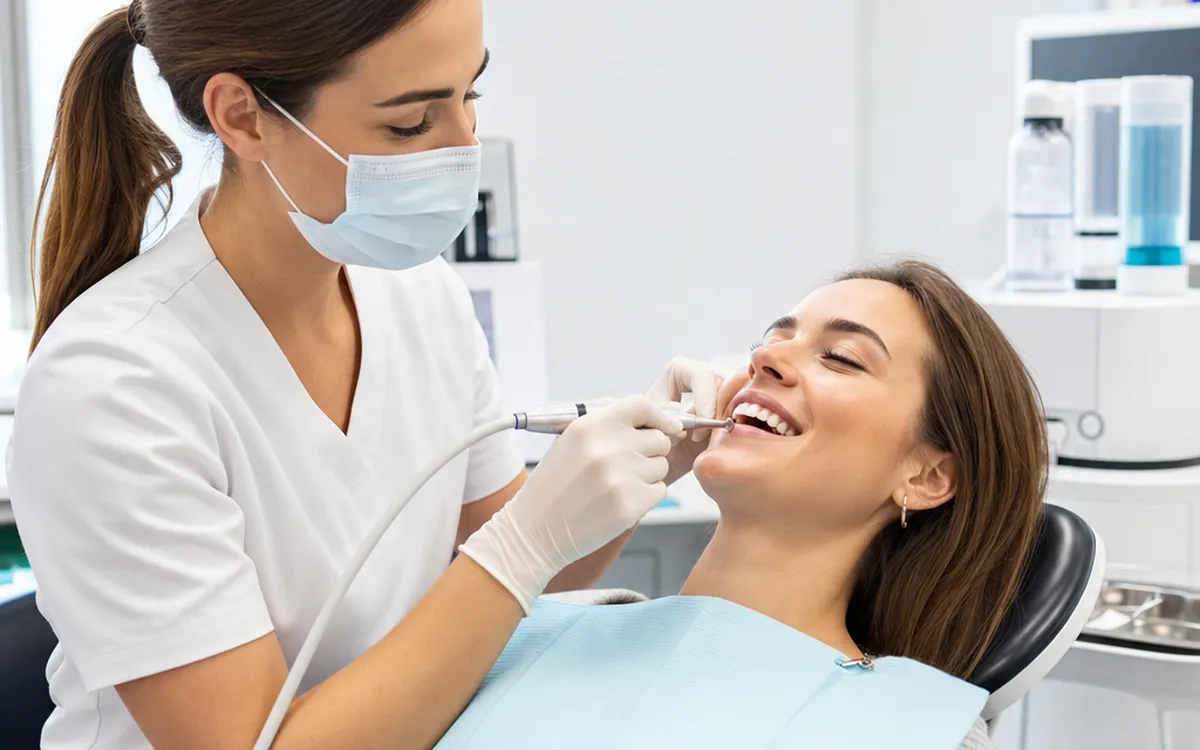
- Professional dental cleanings — scaling to remove tartar, polishing to remove stains, and biofilm management
- Guided Biofilm Therapy (GBT) — the modern, evidence-based protocol for painless biofilm and stain removal using AIRFLOW technology
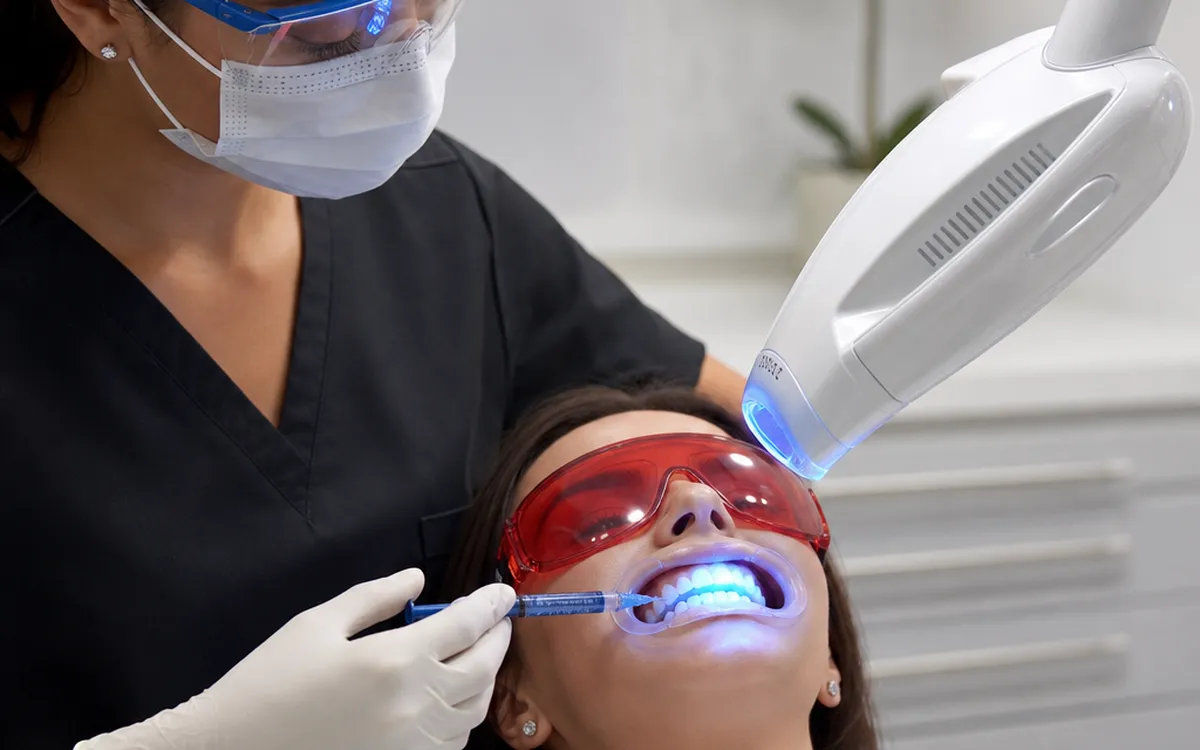
- Teeth whitening — including Philips Zoom in-office whitening and take-home touch-up kits
- Dental sealants and fluoride treatments — preventive applications to protect against decay
- Oral-hygiene instruction — personalized coaching on brushing technique, flossing, interdental aids, and product selection
- Diet analysis and counseling — identifying dietary factors that contribute to decay or erosion
- Saliva testing — analyzing bacterial levels to assess your risk of dental disease
- Oral cancer screening — visual and tactile examination of soft tissues for early signs of pathology
- Tooth gems — cosmetic application of Swarovski crystals to teeth
- Referrals to dentists and specialists — when concerns are identified that fall outside the hygiene scope
Notably, an independent hygienist can also accept patients under the Canadian Dental Care Plan (CDCP), the federal dental benefit program administered by Health Canada. If you qualify based on your adjusted family net income (AFNI), your hygiene visits may be covered — making preventive care even more accessible.
How Often Should You Visit a Dental Hygienist?
There is no universal answer — the right frequency depends on your individual risk factors, but the general guidance is clear: regular professional cleaning is essential for preventing disease.
For patients with a low risk of developing dental disease — non-smokers with good home care, healthy gums, and no history of periodontitis — a cleaning once or twice a year is usually sufficient. Patients who build up stains quickly between visits may choose to come more frequently for cosmetic reasons.
For patients with moderate or high risk — those with a history of gum disease, diabetes, smoking or vaping, poor oral hygiene, a diet high in staining foods, or conditions like the menopause that affect oral health — the recommendation is typically every three months (four times a year). These patients also benefit from more frequent dental check-ups.
It is worth noting that the type of cleaning technology matters for frequency. Traditional polishing pastes can be abrasive on enamel, which limits how often they can be safely applied. Guided Biofilm Therapy (GBT), which uses a gentle erythritol powder, places no such limit on cleaning frequency — making it ideal for patients who want or need more regular care.
Your dental hygienist is the best person to determine your ideal schedule. They will assess your gum health, evaluate your home-care routine, review your medical history, and recommend a personalized cleaning interval. Follow their advice — and if you're unsure about the recommendation, ask them to explain the reasoning.
How to Get the Most Out of Your Hygiene Visit
A dental hygiene appointment is not just a cleaning — it's an opportunity to invest in your long-term oral health. Here's how to make every visit count:
- Be prepared. Think through any questions or concerns before your appointment. Jot down notes about sensitive teeth, bleeding gums, bad breath, or changes you've noticed. The more specific you are, the more targeted your hygienist's advice will be.
- Maintain your home care. Brush twice daily with a soft toothbrush and fluoride toothpaste. Floss or use interdental brushes every day. The better your home routine, the more productive your professional cleaning will be — and the shorter your appointment can be.
- Speak up. Communication is key. Tell your hygienist if something hurts, if you're nervous, or if you don't understand a recommendation. A good hygienist will adjust their technique, slow down, and explain every step. This is especially important for patients with dental anxiety.
- Understand what's being recommended. If your hygienist suggests a different cleaning interval, a specific home-care product, or a referral to a dentist, ask why. Understanding the "why" behind recommendations makes it far more likely you'll follow through.
- Follow through. The advice you receive during your appointment only works if you implement it. Whether it's scheduling your next cleaning, changing your flossing technique, or adjusting your diet, follow-through is where the real improvement happens.
Why Krystal Dental Hygiene Is Your Top Choice in Toronto
Krystal Dental Hygiene was founded on the principle that preventive oral-health care should be accessible, affordable, and comfortable. As an independent practice in Toronto's Fort York neighbourhood, we operate under the Dental Hygienists Act, 1991 and are fully regulated by the CDHO — which means you receive the same standard of professional care you'd expect from any regulated health practice in Ontario, with the added benefits that come from the independent model.
Here's what sets us apart:
- GBT-certified. We are trained in the Guided Biofilm Therapy protocol — the gold standard for painless, evidence-based dental cleaning. GBT removes up to 100 % of biofilm compared to roughly 50 % with traditional methods.
- Philips Zoom provider. We offer professional in-office Philips Zoom whitening — the same brand trusted by dental offices worldwide, but in a more comfortable, focused setting.
- Transparent pricing. No hidden fees, no upselling, no bundled billing. You pay for the hygiene services you need — period.
- CDCP accepted. We directly bill the Canadian Dental Care Plan for eligible patients, so your hygiene visit may be covered at little or no out-of-pocket cost.
- Evening and weekend availability. We understand that not everyone can take time off work for a dental appointment. Our flexible scheduling makes it easy to fit care into your life.
- Comfort-first approach. From our warm, modern clinic to our gentle GBT protocol, every detail is designed to make your visit pleasant — especially if you've avoided the dentist due to anxiety.
Ready to Experience Independent Hygiene Care?
Book your appointment with Krystal Dental Hygiene today and discover the difference that personalized, affordable, and comfortable care makes for your smile.